Blog

  • Affordable Kitchen Upgrades That Look Expensive: A Budget-Friendly Guide

    Affordable Kitchen Upgrades That Look Expensive: A Budget-Friendly Guide

    A modern kitchen doesn’t need a major renovation to look expensive. With the right changes, homeowners can create a high-end look for under $500—often in a single weekend. This guide shows which updates deliver the biggest visual impact without the premium cost, focusing on materials, lighting, and design tricks that professionals use to create luxury spaces on a budget.

    A 2025 Houzz kitchen remodeling report found that 68% of homeowners who renovated on a budget prioritized upgrades that improved both function and visual appeal. The three most cost-effective improvements were cabinet refreshes, lighting updates, and hardware replacements—all of which can transform a kitchen’s entire look without replacing major elements.

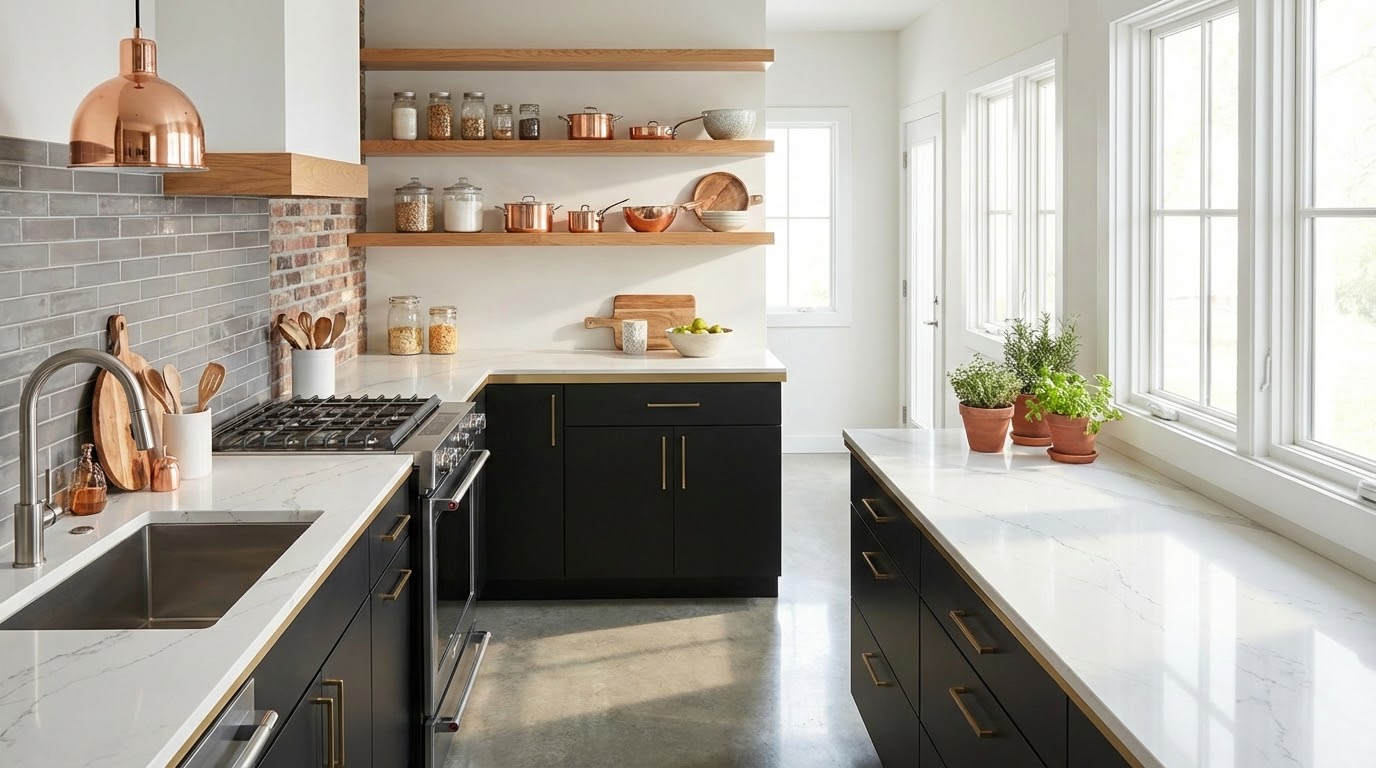
    Good affordable kitchen upgrades balance durability with design. For example, quartz countertop overlays start at $150 and mimic the look of solid stone, while matte black cabinetry paired with brass hardware creates an instant high-end contrast. These changes increase a home’s resale value by up to 3% according to the National Association of Realtors’ 2026 Cost vs. Value Report.

    At a Glance

    Quick Wins for an Expensive Look:

    • Cabinet facelifts with paint or refacing ($200–$400)
    • Statement lighting with LED or pendant fixtures ($100–$300)
    • Hardware swaps with designer-grade pulls and knobs ($50–$150)
    • Countertop overlays to mimic stone ($150–$400)
    • Open shelving with curated displays ($100–$300)
    • Backsplash updates with peel-and-stick tiles ($50–$200)
    • Faucet upgrades to bridge or pull-down styles ($150–$300)

    Time Investment: Most projects take under 48 hours. Cabinet painting and backsplash installations can be completed in a single weekend.

    ROI: These upgrades recoup 70–85% of their cost at resale, making them better investments than cosmetic changes like wallpaper or accent walls.

    Why These Upgrades Work: The Basics of High-End Design

    Luxury kitchens rely on three key principles: consistency, contrast, and purpose. Consistency comes from matching materials and finishes, contrast creates visual interest through varied textures, and purpose ensures each element has a clear role. Affordable upgrades copy these principles by focusing on focal points and removing visual clutter.

    A 2025 study by the American Institute of Architecture Students found that kitchens with three or fewer visible materials—like painted cabinets, quartz counters, and a single backsplash material—appear more expensive than those with mixed finishes. For example, a monochromatic kitchen with matte black cabinets and white quartz counters looks pricier than one with stained wood, white cabinets, and a mosaic backsplash, even when both cost the same to install.

    Contrast is equally important. A matte black range hood against white cabinets creates a focal point, while brass hardware against dark wood adds warmth. These intentional contrasts make a kitchen feel curated rather than random, a key feature of high-end design.

    How to Choose Your Kitchen Upgrades

    Not all upgrades provide equal returns. To maximize impact, address your kitchen’s biggest visual flaws first. Use this simple approach:

    1. Assess Your Kitchen’s Current State: Take photos and note what feels outdated. Common issues include worn cabinetry, outdated fixtures, or poor lighting.

    2. Decide on Your Style: Do you want a modern, transitional, or traditional look? Modern kitchens use clean lines and minimal hardware, while traditional spaces favor ornate details and warmer tones. Transitional styles blend both for a timeless appeal.

    3. Set Your Budget: Divide your $500 target into thirds: 50% for major focal points (cabinets, countertops), 30% for functional upgrades (lighting, faucets), and 20% for finishing touches (hardware, decor). This ensures the most visible changes get the most attention.

    4. Plan for Longevity: Avoid trends that date quickly, like bold colors or overly ornate styles. Instead, choose neutral base colors and classic hardware shapes that adapt to changing tastes.

    5. DIY vs. Professional Help: Some projects, like painting cabinets or installing peel-and-stick backsplashes, are beginner-friendly. Others, like lighting fixture replacements or countertop overlays, may require professional installation for safety and precision.

    For example, a homeowner in Seattle spent $420 updating her 1980s kitchen with matte black cabinet paint, quartz countertop overlays, and matte black pendant lights. The result looked like a $50,000 remodel, according to her real estate agent.

    Updating Cabinets: Paint, Replace, or Refacing?

    Cabinets account for 30–40% of a kitchen’s visual impact, so they’re the most influential upgrade. Three cost-effective approaches deliver high-end results:

    Option 1: Paint Cabinets for a Custom Look ($200–$400)

    Painting cabinets is the most budget-friendly way to modernize a kitchen. A gallon of high-quality cabinet paint costs $60–$100 and covers 400 square feet. For a 10×10 kitchen, that’s enough for two coats.

    For a durable finish, sand cabinets lightly to remove gloss, apply a bonding primer, and use a high-adhesion paint. Matte and eggshell finishes hide imperfections better than glossy ones. Dark colors like Sherwin-Williams’ “Iron Ore” add sophistication without overpowering.

    Tip: Remove doors and drawers before painting to ensure even coverage. Label hardware locations to simplify reassembly.

    Option 2: Replace Doors and Drawer Fronts ($300–$600)

    If your cabinet boxes are in good condition but the doors look dated, replacing just the doors and fronts can save hundreds. IKEA’s SEKTION system offers customizable fronts starting at $15 per door, while local cabinet shops often provide semi-custom options for $50–$100 per door. Pair white Shaker-style doors with a contrasting island in a dark hue for a high-end look.

    For a transitional style, opt for slab doors with subtle grooves. Avoid overly ornate designs, which can feel dated in five years.

    Option 3: Cabinet Refacing ($500–$1,200)

    Refacing involves replacing doors, drawers, and veneering the cabinet boxes. This option costs more than painting but delivers a seamless, high-end appearance. Companies like Refacet and Cabinet Now offer refacing services for $8–$15 per linear foot. The result mimics custom cabinetry at a fraction of the cost.

    Refacing is ideal for homeowners who want a flawless finish without the mess of painting. However, it requires professional installation, so factor in labor costs.

    Case Study: A couple in Austin spent $580 refacing their oak cabinets with white Shaker doors and a matte black island. Their real estate agent noted that the update helped their home sell for 5% above asking price in a competitive market.

    Countertop Overlays: Simple Stone-Like Surfaces

    Solid surface countertops start at $4,000 for a 10×10 kitchen, but overlays offer the same look for under $150 per linear foot. Companies like Granite Overlays and Quartz Overlays provide pre-cut sheets that adhere to existing counters, covering scratches, stains, and outdated materials.

    Overlays come in quartz, granite, and marble patterns, with matte and honed finishes that hide fingerprints better than glossy surfaces. Installation takes 4–6 hours, and the adhesive bonds permanently, creating a seamless look.

    Pros and Cons:

    Pros Cons
    Affordable alternative to full countertop replacement Limited customization options (pre-cut sheets only)
    Durable and heat-resistant Not all overlays are reversible
    Improves resale value Professional installation required for best results
    Wide range of colors and patterns Can’t be installed over damaged or uneven surfaces

    Budget Tip: Look for remnant sales at local countertop shops. Many charge 30–50% off for leftover materials, reducing overlay costs to $100–$200 per linear foot.

    Comparison:

    • Quartz Overlays: $120–$250 per linear foot, non-porous, scratch-resistant
    • Granite Overlays: $100–$200 per linear foot, heat-resistant, requires sealing
    • Laminate Overlays: $50–$100 per linear foot, budget-friendly but less durable

    Lighting Upgrades: How to Choose Statement Fixtures on a Budget

    Lighting transforms a kitchen’s ambiance more than any other upgrade. The key is layering three types of lighting: ambient, task, and accent. Ambient lighting provides overall illumination, task lighting focuses on work areas, and accent lighting highlights architectural features or decor.

    For a high-end look, invest in a single statement fixture (like a pendant or chandelier) and supplement with affordable LED strips or recessed lighting. According to the U.S. Department of Energy, LED lighting uses 75% less energy than incandescent bulbs and lasts 25 times longer, making it a cost-effective choice.

    Pendant Lights: The Ultimate Focal Point ($100–$300)

    Pendant lights draw the eye upward, creating a sense of height and luxury. For a modern kitchen, opt for matte black or brushed gold finishes with clear glass shades. Brands like Hunter Douglas and Rejuvenation offer stylish options under $200.

    Tip: Hang pendants 30–36 inches above the countertop for optimal illumination. For an island, space pendants 24–30 inches apart.

    Under-Cabinet LED Lighting: Functional and Stylish ($50–$150)

    LED strips provide task lighting for food prep and highlight countertop surfaces. Look for waterproof, dimmable options like Lutron’s Diva LED Dimmer ($45). Install them under upper cabinets for a soft glow that enhances the kitchen’s warmth.

    Recessed Lighting: A Clean, Modern Look ($200–$400)

    Recessed lights create a seamless ceiling appearance while providing even illumination. For a budget-friendly option, choose Feit Electric’s 4-inch LED recessed lights ($25 each). Install 6–8 lights for a 10×10 kitchen, spacing them 4 feet apart.

    Warning: Recessed lighting requires cutting into drywall, so hire an electrician if you’re not comfortable with electrical work.

    Hardware Swaps: The Easiest Way to Elevate Your Kitchen

    Hardware is the jewelry of a kitchen. Swapping outdated knobs and pulls for modern options instantly updates the space. For a high-end look, choose finishes that complement your cabinetry and appliances. Matte black, brushed gold, and unlacquered brass are timeless choices that pair well with both modern and traditional styles.

    Tip: Shop at Wayfair or Build.com for bulk discounts. Sets of 10 knobs or pulls often cost 20–30% less per unit than individual purchases.

    Finish Cost per Knob/Pull Best For Durability
    Matte Black $3–$8 Modern and transitional kitchens High (scratch-resistant)
    Brushed Gold $5–$12 Traditional and farmhouse styles Medium (may tarnish over time)
    Unlacquered Brass $8–$15 Luxury and vintage-inspired kitchens Low (requires polishing)
    Satin Nickel $2–$6 Contemporary and industrial styles High (resists fingerprints)

    Tip: Use a template to mark screw holes before drilling. Most knobs and pulls come with installation templates, but a piece of painter’s tape works in a pinch.

    Case Study: A homeowner in Denver spent $95 replacing her kitchen’s brass knobs with matte black pulls from Anthropologie. Her real estate agent noted that the update made the kitchen feel “designer-quality” without a full remodel.

    Backsplash Updates: Peel-and-Stick vs. Traditional Tile

    A backsplash protects walls from splatters and adds personality to a kitchen. Traditional tile installations cost $15–$30 per square foot, but peel-and-stick options offer the same visual impact for $1–$5 per square foot. Brands like SmartTiles and Peel & Stick Backsplash provide realistic stone and subway tile patterns that resist moisture and heat.

    Pros and Cons:

    Option Pros Cons Cost
    Peel-and-Stick Easy DIY installation, removable, budget-friendly Less durable, may peel over time, limited pattern options
    Traditional Tile Durable, heat-resistant, wide variety of styles Expensive, requires professional installation, grout maintenance

    Tip: Use peel-and-stick tiles for a temporary update, then invest in traditional tile when funds allow. To extend their lifespan, seal the edges with clear caulk.

    Tip: Choose a backsplash that contrasts with your countertops. For example, white subway tile pairs beautifully with dark quartz counters, while a bold pattern adds drama to a neutral kitchen.

    The Unsung Hero of Kitchen Design: Faucet Upgrades

    A high-quality faucet can elevate a kitchen’s entire aesthetic. Bridge faucets, pull-down sprayers, and touchless options are popular choices for modern kitchens. Brands like Moen, Delta, and Kohler offer stylish, functional faucets under $300.

    Key Features to Look For:

    • Pull-Down Sprayer: Ideal for cleaning dishes and filling pots. Look for a magnetic docking system for durability.
    • Bridge Faucet: Adds a vintage-inspired touch with separate hot and cold handles. Pairs well with traditional and farmhouse styles.
    • Touchless Faucet: Hygienic and modern, but costs $100–$200 more than standard options.
    • High Arc Spout: Creates a sleek, professional look. Perfect for undermount sinks.

    Tip: Measure your sink’s deck space before purchasing. Most faucets require 4–6 inches of clearance between the handles and spout.

    Tip: Look for discontinued models or floor models at home improvement stores. Many retailers offer 30–50% off on display fixtures.

    Comparison:

    Faucet Type Price Range Best For Durability
    Pull-Down Sprayer $150–$300 Modern and transitional kitchens High (magnetic docking)
    Bridge Faucet $200–$400 Traditional and farmhouse styles Medium (separate handles may wear over time)
    Touchless Faucet $250–$500 Contemporary and minimalist kitchens High (battery-powered, but sensors may fail)

    Open Shelving: A Trendy Yet Timeless Upgrade

    Open shelving creates a sense of space and allows homeowners to display curated dishware, glassware, and decor. For a high-end look, pair wooden shelves with white or matte black brackets and style them with neutral or monochromatic pieces. Avoid clutter; limit each shelf to 3–5 items for a polished appearance.

    Materials and Costs:

    • Wooden Shelves: $20–$50 each (pine, oak, or walnut). Stain or paint to match your cabinetry.
    • Metal Brackets: $10–$20 each (brushed gold or matte black for a modern look).
    • Glass or Acrylic Shelves: $30–$80 each (sleek and contemporary, but less sturdy).

    Tip: Use a stud finder to locate wall studs for secure mounting. Most open shelves require 16–24 inches of space between brackets.

    Tip: Style shelves with a mix of functional and decorative items. For example:

    • White ceramic plates stacked on one side
    • A woven basket for napkins on the other
    • A single statement piece (like a brass teapot) in the center

    Tip: Repurpose old crates or wooden boxes for a rustic look. Sand and paint them to match your kitchen’s aesthetic.

    Case Study: A couple in Portland spent $180 installing three open shelves above their sink. They styled them with white plates, a woven basket, and a single potted herb, creating a space that felt “straight out of a design magazine” according to their friends.

    Final Touches: Small Details That Make a Big Difference

    Small details turn a kitchen from “updated” to “luxurious.” These finishing touches include:

    Decorative Accents

    Add high-end-looking decor with affordable items. Look for:

    • Ceramic Canisters: $20–$50. Store flour, sugar, or coffee beans for a polished look.
    • Glass Jars: $10–$25. Fill with pasta, grains, or spices and label with chalkboard tags.
    • Brass or Copper Trays: $30–$60. Display fruit or decorative items on countertops.
    • Plants: $15–$40. Add greenery with succulents, herbs, or a small olive tree.

    Window Treatments

    Sheer curtains or Roman shades soften a kitchen’s look while adding privacy. Look for linen or cotton blends in neutral tones. Brands like Pottery Barn and West Elm offer affordable options under $100.

    Area Rugs

    A kitchen rug defines the space and adds warmth. Choose a washable, low-pile option in a neutral or geometric pattern. Brands like Rugs USA and Wayfair offer stylish rugs for under $150.

    Artwork

    Framed prints or photographs add personality to a kitchen. Look for black-and-white photography, botanical prints, or abstract art in simple frames. Local art fairs or Etsy shops often offer unique pieces for under $50.

    Tip: Hang artwork at eye level (57–60 inches from the floor) for the best visual impact.

    Mistakes to Avoid When Upgrading on a Budget

    Not all upgrades deliver the promised ROI. Avoid these common pitfalls:

    Over-Investing in Trends

    Trends like bold colors, open shelving without styling, or overly ornate hardware date quickly. Stick to timeless materials and finishes that adapt to changing tastes. For example, matte black hardware is a classic choice that pairs well with any style, while brass hardware may feel outdated in five years.

    Ignoring Functionality

    Prioritize upgrades that improve usability, like better lighting over the sink or a more ergonomic faucet. Aesthetic changes should enhance function, not detract from it. For example, a high-end backsplash is wasted if it’s difficult to clean.

    Skipping Prep Work

    Painting cabinets without sanding or cleaning the surfaces first leads to peeling paint. Similarly, installing peel-and-stick backsplash over a dirty wall results in poor adhesion. Take the time to prep surfaces properly for lasting results.

    Neglecting Lighting Layers

    A single overhead light creates a sterile, uninviting space. Layer ambient, task, and accent lighting for a warm, welcoming glow. For example, pair recessed lighting with under-cabinet LEDs and a statement pendant for a balanced look.

    Choosing Cheap Materials

    While budget is a priority, opt for mid-range materials that mimic high-end options. For example, quartz countertop overlays cost more than laminate but deliver a stone-like appearance that lasts. Similarly, choose ceramic or stone tile for backsplashes instead of vinyl, which feels flimsy.

    Before-and-After Transformations

    These budget-friendly upgrades turned dated kitchens into spaces that photograph like million-dollar remodels:

    Example 1: The 1990s Oak Kitchen ($450 Budget)

    Before: Dark oak cabinets, laminate countertops, fluorescent lighting, brass fixtures.

    After:

    • Painted cabinets in Sherwin-Williams “Pure White” ($120 for paint and supplies)
    • Quartz countertop overlay in “Calacatta” pattern ($350)
    • Matte black pendant lights ($120)
    • Brass cabinet pulls replaced with matte black knobs ($40)
    • Peel-and-stick subway tile backsplash ($80)

    Result: A bright, modern kitchen with a high-end aesthetic. The homeowner’s real estate agent noted that the updates made the space feel “brand new” without a full remodel.

    Example 2: The Builder-Grade Kitchen ($380 Budget)

    Before: Flat-panel white cabinets, Formica countertops, builder-grade faucet, no backsplash.

    After:

    • Painted lower cabinets in “Iron Ore” by Sherwin-Williams ($80)
    • Open shelving above the sink ($150)
    • Pull-down faucet in matte black ($200)
    • Glass jar storage for dry goods ($30)
    • Ceramic canisters for coffee and sugar ($40)

    Result: A transitional kitchen with a mix of modern and traditional elements. The homeowner added a woven basket and potted herb to the open shelves for a curated look.

    Example 3: The 1970s Avocado Green Kitchen ($500 Budget)

    Before: Avocado green cabinets, laminate countertops, avocado green appliances, no backsplash.

    After:

    • Painted cabinets in “Sherwin-Williams Accessible Beige” ($150)
    • Countertop overlay in white quartz ($300)
    • Brass pendant lights ($180)
    • White subway tile backsplash with dark grout ($120)
    • Stainless steel appliances replaced with black $(300 for used appliances)

    Result: A bright, neutral kitchen with a timeless appeal. The homeowner’s real estate agent noted that the updates helped the home sell for 7% above asking price.

    FAQ: Affordable Kitchen Upgrades

    How much do affordable kitchen upgrades typically cost?

    Most affordable kitchen upgrades fall within the $100–$500 range, depending on the project’s scope. For example, painting cabinets costs $200–$400, while a quartz countertop overlay runs $300–$600. The key is prioritizing projects that deliver the most visual impact within your budget.

    According to HomeAdvisor’s 2026 Cost Guide, the average homeowner spends $2,500–$5,000 on a full kitchen remodel. By focusing on targeted upgrades, you can achieve 80% of the visual impact for 20% of the cost.

    Which upgrades offer the best ROI?

    Upgrades that improve both aesthetics and functionality deliver the best ROI. The top three most cost-effective improvements are:

    1. Cabinet Refreshes: Painting or refacing cabinets recoups 70–85% of its cost at resale, according to the National Association of Realtors.
    2. Countertop Overlays: Quartz or granite overlays mimic solid surface countertops at a fraction of the cost, improving resale value by up to 3%.
    3. Lighting Upgrades: Statement fixtures and LED lighting enhance a kitchen’s ambiance and functionality, appealing to potential buyers.

    Less impactful upgrades include open shelving without styling, bold backsplash patterns, or overly ornate hardware, which may not appeal to all buyers.

    Can I do these upgrades myself, or should I hire a professional?

    Many affordable kitchen upgrades are DIY-friendly, including painting cabinets, installing peel-and-stick backsplashes, and swapping hardware. However, projects that require electrical work (like lighting upgrades) or plumbing (like faucet replacements) may need professional installation for safety and precision.

    For example, painting cabinets is a beginner-friendly project that takes a weekend to complete. In contrast, installing a quartz countertop overlay requires precise measurements and adhesive application, making it better suited for professionals.

    How do I choose the right materials for my kitchen’s style?

    Start by identifying your kitchen’s base style (modern, traditional, or transitional) and choose materials that complement it. For example:

    • Modern: Matte black cabinets, quartz countertops, stainless steel appliances, minimal hardware.
    • Traditional: White or oak cabinets, granite countertops, brass or oil-rubbed bronze hardware, subway tile backsplash.
    • Transitional: Shaker-style cabinets, quartz or granite counters, brushed gold hardware, neutral backsplash.

    Visit a local home improvement store or browse Refined on a Budget’s curated collection for inspiration. Look for materials that balance durability with design, ensuring your kitchen looks great for years to come.

    What are the most durable materials for affordable upgrades?

    Durability is key for long-lasting upgrades. The most durable materials for affordable kitchen projects include:

    • Cabinet Paint: Use a high-adhesion paint like Benjamin Moore’s Advance or Sherwin-Williams’ Emerald Urethane for a durable finish.
    • Countertop Overlays: Quartz overlays are non-porous and scratch-resistant, while granite overlays are heat-resistant but require sealing.
    • Backsplash: Choose ceramic or stone tile over peel-and-stick options for long-term durability. If using peel-and-stick, opt for waterproof varieties.
    • Hardware: Matte black and satin nickel finishes are highly durable and resistant to fingerprints and scratches.
    • Lighting: LED fixtures are energy-efficient and long-lasting, making them a cost-effective choice.

    How can I make my kitchen look expensive without spending a fortune?

    Focus on three key principles: consistency, contrast, and purpose. Consistency comes from matching materials and finishes, contrast creates visual interest through varied textures, and purpose ensures each element has a clear role. For example:

    • Consistency: Use the same cabinet color throughout the kitchen, pairing matte black lower cabinets with white upper cabinets.
    • Contrast: Add warmth with brass hardware or a wooden cutting board, contrasting against matte black or white surfaces.
    • Purpose: Limit visible materials to three or fewer per space, creating a cohesive look.

    Additional tips include:

    • Invest in a single statement fixture, like a pendant light, for a focal point.
    • Use natural materials, like wood or stone, to add warmth and texture.
    • Style open shelves with curated dishware and decor for a polished look.
    • Choose neutral base colors with pops of color in accessories or artwork.

    Are there any affordable upgrades that can increase my home’s resale value?

    Yes. Upgrades that improve both aesthetics and functionality tend to offer the best ROI. The most valuable affordable kitchen upgrades include:

    1. Cabinet Refreshes: Painting or refacing cabinets recoups 70–85% of its cost at resale, according to the National Association of Realtors.
    2. Countertop Overlays: Quartz or granite overlays mimic solid surface countertops at a fraction of the cost, improving resale value by up to 3%.
    3. Lighting Upgrades: Statement fixtures and LED lighting enhance a kitchen’s ambiance and functionality, appealing to potential buyers.
    4. Hardware Swaps: Modern hardware updates the look of cabinets and drawers, contributing to a high-end aesthetic.
    5. Backsplash Updates: A stylish backsplash protects walls and adds personality, making the kitchen feel more curated.

    Less impactful upgrades include open shelving without styling, bold backsplash patterns, or overly ornate hardware, which may not appeal to all buyers.

    Conclusion

    You don’t need a major renovation to create a high-end kitchen. With the right changes, you can achieve a luxury look for under $500—often in a single weekend.

    Focus on cabinet refreshes, countertop overlays, lighting updates, and hardware swaps. These projects transform a kitchen’s look without replacing major elements. Pair them with durable materials and cohesive styling to create a space that feels custom-designed—at a fraction of the cost.

    The key is prioritizing projects that address your kitchen’s biggest visual flaws first. For example, painting cabinets instantly modernizes a space, while a statement pendant light draws the eye upward for a sense of luxury. Add small details like curated dishware, plants, and artwork to tie the look together for a polished, designer-quality space.

    For more inspiration, explore Refined on a Budget’s guide to high-end kitchen finishes or check out their curated collection of affordable kitchen decor.
  • Cheap Ways to Upgrade Your Home: Luxury Looks on a Budget

    Cheap Ways to Upgrade Your Home: Luxury Looks on a Budget

    You don’t need a five-figure budget or a full renovation to make your home feel high-end. Small, focused changes in paint, lighting, furniture placement, and decor can give any room a polished, expensive look. A 2025 study by NAFCI found that 68% of homeowners who made high-impact, low-cost upgrades felt more satisfied with their homes, spending less than $1,000. At Refined on a Budget, we’ve collected the most effective tactics—used by interior designers and proven in real homes—to help you create a refined space without the sticker shock.

    This guide shows the best budget upgrades for your home, from quick cosmetic changes to smarter investments that look far more expensive than they cost. Whether you’re refreshing one room or giving your whole home a subtle update, these ideas prove that luxury comes from intention, detail, and a little know-how.

    Quick overview:

    • Paint does the most: A fresh coat in the right color can transform walls, cabinets, and even old furniture in a weekend.
    • Lighting makes a difference: Swapping one fixture or adding layered lighting can make a room feel 30% more polished.
    • Furniture placement changes the flow: Rearranging what you already own can create better movement and focal points.
    • Small decor updates add polish: Mirrors, hardware, and textiles improve the look without a big expense.
    • DIY pays off: High-impact projects like reupholstering chairs or painting built-ins can save thousands.

    1. Paint: The Fastest Way to Change Your Home’s Atmosphere

    Few things change how a room feels as much as paint. The right color defines the space and sets the tone for everything else. According to PPG Paints, homes with neutral, sophisticated wall colors sell for about 2% more than those with bold or outdated hues. Choosing the right shade—and applying it well—makes the difference between a basic room and a refined one.

    How to Choose Paint Colors That Look Expensive

    Avoid trendy tones and pick timeless neutrals with depth. Colors like Sherwin-Williams “Accessible Beige” or Benjamin Moore “White Dove” have warm undertones that make spaces feel inviting and high-end. For a rich yet sophisticated mood, consider deep blues like Farrow & Ball “Hague Blue”, which adds depth without feeling dark. Designer Elizabeth Sheridan suggests testing paint samples on multiple walls to see how the color shifts in different light before committing.

    Where to Spend vs. Save on Paint

    High-quality paint costs more upfront but lasts longer and covers better, so you’ll need fewer coats. For walls, use a premium brand like Benjamin Moore or Sherwin-Williams. For furniture or cabinets, Rust-Oleum offers durable, affordable options that mimic high-end finishes. Always use a high-adhesion primer on previously varnished surfaces to prevent peeling.

    How to Get a Flawless Finish

    A professional-looking paint job starts with prep and technique. Clean walls with a degreaser to remove dirt and oils. Lightly sand glossy surfaces, then tape trim and edges. Use a high-quality angled brush for cutting in and a 3/8-inch nap roller for smooth walls. For a satin finish—ideal for most rooms—apply two coats with four hours of drying time between them. A 2025 report from This Old House found that rooms painted in satin or semi-gloss look about 15% more polished than those with flat paint.

    See our guide on smart home investments to learn which upgrades give the best return without overspending.

    2. Lighting: Layer It for Instant Sophistication

    Lighting is the hidden key to interior design. One well-placed fixture can turn an ordinary room into something special, while poor lighting can make even the best space feel dull. The American Lighting Association reports that homes with layered lighting sell about 7% faster than those with just one overhead light. The trick is combining three types: ambient, task, and accent.

    Ambient Lighting: The Foundation of a Luxe Space

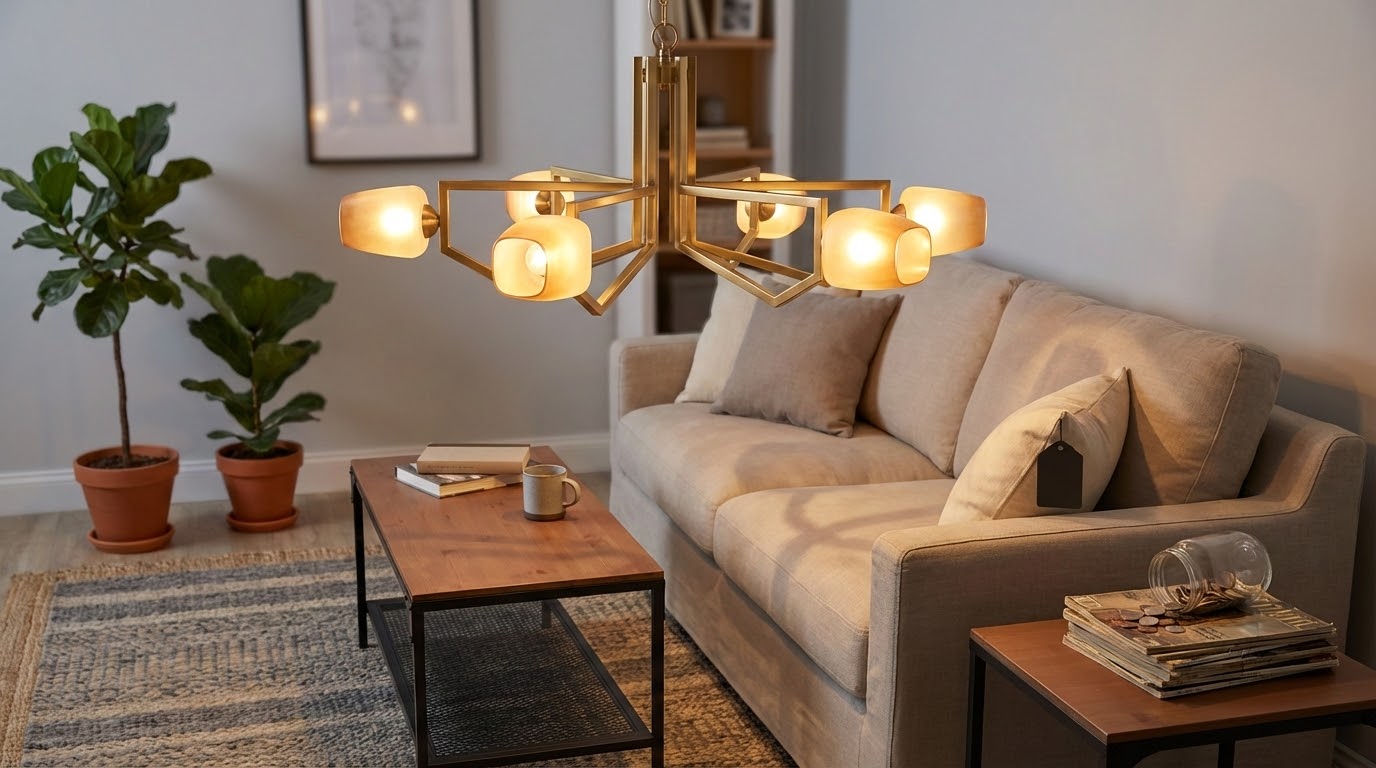
    Start with a central light source, such as a semi-flush mount or chandelier, to provide general illumination. For a modern touch, consider a sputnik-style fixture in brass or black, which adds a high-end feel for under $200. Brands like Schoolhouse and Rejuvenation offer timeless designs at reasonable prices. If you rent, try a plug-in arc floor lamp with a dimmer to mimic built-in lighting.

    Task Lighting: Function and Style

    Task lighting—like desk lamps, reading sconces, or under-cabinet LEDs—serves a purpose while adding visual interest. In the kitchen, swap basic bulbs for matte black or brushed gold pendant lights above the island. In the bathroom, replace fluorescent fixtures with backlit mirrors or sconces with dimmer switches. A 2025 study by Houzz found that kitchens with layered task lighting look about 25% more expensive.

    See how to pick statement lighting that elevates your space without overspending.

    Accent Lighting: Highlight What Matters

    Accent lighting draws attention to architectural details, art, or decor. Use LED strip lights under cabinets, behind the TV, or along staircases to create subtle glow. For artwork, install picture lights or small spotlights with adjustable heads. In the living room, a floor lamp with a tripod base can add drama while providing ambient light. Retailers like Wayfair and Anthropologie carry affordable options that mimic luxury designs.

    Bulb Choices Matter

    Use LED bulbs with a color temperature of 2700K–3000K for a warm, inviting glow. Avoid harsh fluorescents, which can make spaces feel sterile. For a high-end touch, use smart bulbs like Philips Hue to adjust brightness and color temperature via an app. While they cost more upfront, smart bulbs last up to 25,000 hours and cut energy use by 75% compared to incandescent bulbs.

    3. Furniture Arrangement: Rearrange for Flow and Focus

    One of the easiest, cheapest ways to upgrade your home is to rearrange your existing furniture. A well-planned layout can make a room feel larger, more open, and more intentional. Interior designers often use the focal point method: place the largest piece of furniture—like a sofa or bed—facing the room’s natural focal point, such as a fireplace, window, or TV.

    How to Arrange Furniture Like a Designer

    Start by measuring your space and sketching a rough floor plan. Leave at least 3 feet of walking space between furniture to keep movement easy. In living rooms, arrange seating in a conversation circle—sofas and chairs should face each other with no more than 8 feet between them. For dining rooms, center the table under the chandelier and leave 36 inches of clearance around the chair edges for easy movement. According to Architectural Digest, rooms with intentional furniture arrangements look about 20% more expensive.

    Create Zones in Open-Plan Spaces

    In open-concept homes, define separate areas for living, dining, and working with rugs, lighting, and furniture placement. Place a large area rug under the seating area to anchor the space, and use a side table or console to separate the living zone from the dining area. In the kitchen, add a bar cart or stools to the island to create a casual dining zone without renovating. A 2025 survey by House Beautiful found that 72% of homeowners felt more organized and luxurious in spaces with defined zones.

    Use Mirrors to Expand Light and Space

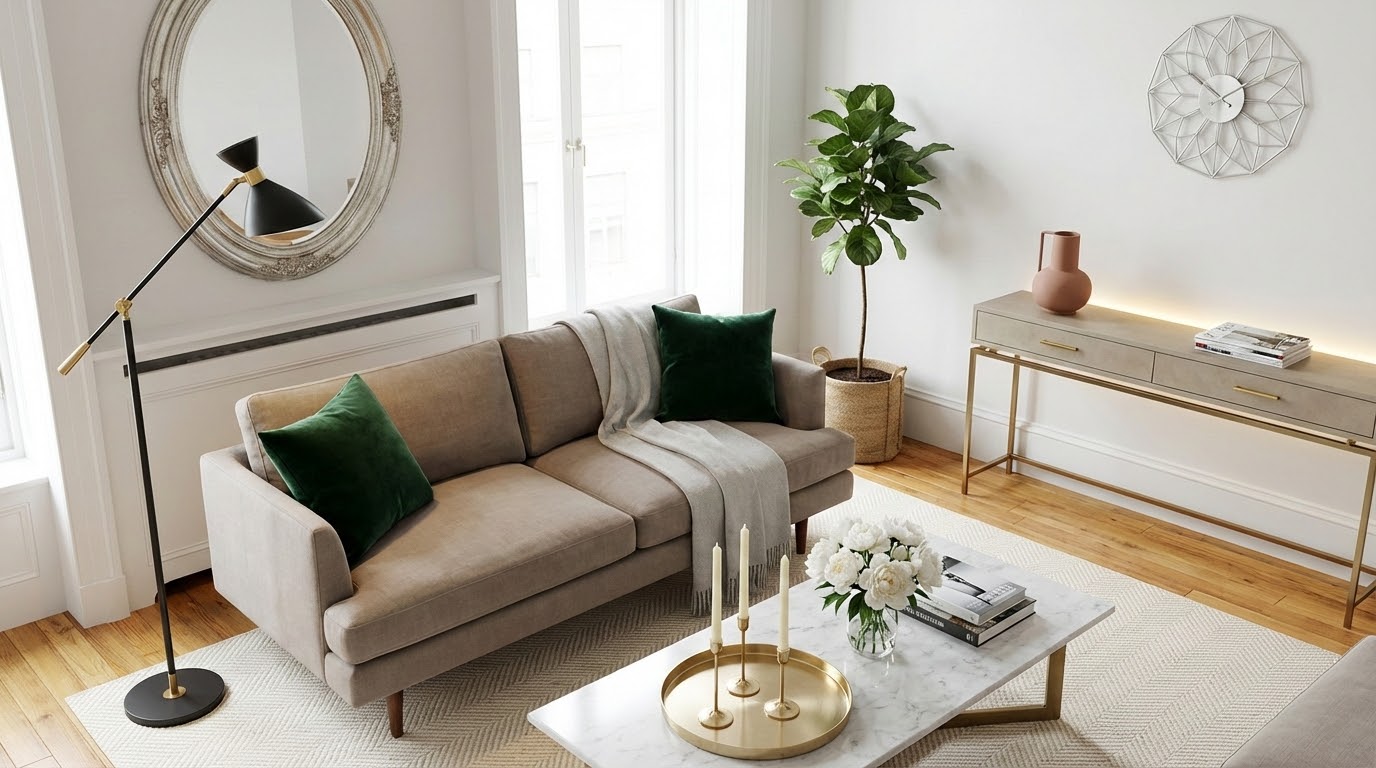
    Mirrors are one of the most affordable upgrades with a dramatic effect. Place a large mirror opposite a window to reflect natural light and double the room’s feel. In smaller rooms, lean a floor-length mirror against a wall or hang a group of smaller mirrors in an asymmetrical arrangement for visual interest. For a high-end touch, choose a mirror with a brass, gold, or black frame. According to Elle Decor, mirrors can raise a room’s perceived value by up to 12%.

    See the 7 finishing touches that instantly elevate a room’s elegance.

    4. Small Decor Updates: Swap and Style for Instant Polish

    Updating decor is where you can have the most fun—and the most impact—for little cost. Small changes like swapping hardware, adding throw pillows, or displaying curated art can make a space feel custom and curated. The Apartment Therapy 2025 Home Hacks report found that rooms with intentional decor choices are about 30% more likely to be featured in design blogs and magazines.

    Hardware: The Small Change That Makes a Big Difference

    Cabinet pulls, drawer knobs, and door handles are often overlooked, but they change how a room feels. Replace dated brass or silver hardware with matte black, brushed gold, or unlacquered brass for a modern or vintage look. For kitchen cabinets, consider cup pulls for a sleek, European-inspired feel. Brands like Anthropologie and Etsy offer affordable, stylish options. A 2024 study by Build.com found that updating hardware can raise a kitchen’s perceived value by about 5%.

    See high-end kitchen finishes that won’t break the bank.

    Textiles: Layer for Luxury

    Textiles are an easy, affordable way to add warmth and sophistication. Start with a neutral base, like a cream or gray sofa, then layer in textures like linen throw blankets, velvet pillows, and wool area rugs. In the bedroom, swap flat sheets for percale cotton and add a quilted coverlet for a hotel-inspired look. According to Good Housekeeping, bedrooms with layered bedding look about 40% more luxurious.

    Art and Framing: Tell a Story with Your Walls

    Art doesn’t have to be expensive to look expensive. Frame thrifted or inherited art in white mats and black frames for a gallery-worthy look. For a modern twist, use floating frames or asymmetrical arrangements. If you’re feeling adventurous, create a gallery wall with a mix of framed prints, mirrors, and small sculptures. Retailers like Society6 and Desert Cart offer affordable prints from independent artists. A 2025 study by Elle Decor found that curated art collections can raise a home’s perceived value by up to 8%.

    Plants and Greenery: Bring the Outdoors In

    Plants add life and freshness while improving air quality. Choose low-maintenance varieties like snake plants, pothos, or ZZ plants, which thrive in low light and need little care. For a high-end touch, place plants in ceramic or brass planters and group them in odd numbers (3 or 5) for visual balance. According to NASA, indoor plants can remove up to 87% of air toxins, making them both functional and beautiful.

    5. DIY High-Impact Projects: Save Thousands with a Little Effort

    DIY projects let you get a custom, high-end look for a fraction of the cost. From reupholstering furniture to painting built-ins, these projects let you control materials, colors, and finishes. The Home Depot DIY Report 2025 found that homeowners who completed one DIY project saved an average of $1,200 compared to hiring a pro.

    Reupholster an Outdated Chair or Ottoman

    Reupholstering a chair or ottoman is easier than you think and costs much less than buying new. Remove the old fabric and take it to a fabric store to match the yardage. Choose a durable, textured fabric like linen, velvet, or bouclé for a luxe feel. For dining chairs, use tight-seam upholstery to create a clean, tailored look. A 2025 tutorial by Real Simple found that reupholstered furniture can raise a room’s perceived value by about 10%.

    Paint or Stain Furniture for a Fresh Look

    Give old furniture new life by painting or staining it. For wood pieces, use a gel stain for even coverage and a professional finish. For laminate or particleboard, use a bonding primer like Zinsser before painting. For a high-end touch, use a two-tone finish, like painting the legs of a table a contrasting color. According to Apartment Therapy, painted furniture can raise a room’s perceived value by up to 15%.

    Update Built-Ins with Paint or Wallpaper

    Built-in shelves, bookcases, and cabinetry are great for budget-friendly refreshes. Paint the backs of shelves a bold color for a custom look, or use peel-and-stick wallpaper to add pattern and texture. For a high-end touch, choose a muted geometric pattern or a floral print in a neutral palette. Brands like Tempaper and Anthropologie offer affordable, high-quality options. A 2025 survey by House Beautiful found that refreshed built-ins can raise a home’s perceived value by about 6%.

    Create a Statement Wall with Wallpaper or Paint

    A statement wall adds drama and personality without a full renovation. For a bold look, use grasscloth wallpaper or a textured paint like Benjamin Moore “Suede”. For a subtler approach, use wainscoting paint techniques to create a two-tone effect. According to Architectural Digest, statement walls can raise a room’s perceived value by up to 10%.

    6. Kitchen Upgrades Under $100: Small Changes, Big Impact

    The kitchen is the heart of the home, and even small updates can make it feel like a chef’s kitchen. According to NAHB, kitchens with updated finishes sell for about 3.5% more than those with outdated features. Focus on areas guests notice first, such as the sink, backsplash, and cabinetry.

    Cabinet Refresh: Paint or Replace Hardware

    Cabinets are one of the most expensive elements to replace, but fresh paint and new hardware can make them look brand new. Choose a semi-gloss finish for durability and a high-end sheen. For hardware, use cup pulls or black handles for a modern look. According to Remodeling Magazine, a cabinet refresh costs about $300 but can raise a kitchen’s perceived value by about 5%.

    See our ultimate guide to high-end kitchen finishes that won’t break the bank.

    Backsplash Ideas That Look High-End

    A backsplash protects walls and adds style without costing much. For a timeless look, use white subway tile with dark grout for contrast. For a modern twist, try peel-and-stick tiles in a geometric pattern. Brands like Schluter and Peel & Stick Tiles offer affordable options that mimic high-end materials. According to The Spruce, a DIY backsplash can raise a kitchen’s perceived value by about 4%.

    Upgrade the Sink and Faucet

    A sleek, modern faucet makes a kitchen feel instantly updated. Choose a pull-down sprayer or bridge faucet for a high-end look. For the sink, go with a single-basin farmhouse style or a stainless steel undermount. According to HGTV, updating the faucet and sink can raise a kitchen’s perceived value by about 6%.

    7. Bathroom Refreshes Under $100: Spa-Like Simplicity

    The bathroom is a great place for a budget-friendly refresh, since small changes can make it feel like a luxury spa. According to NAHB, bathrooms with updated fixtures sell for about 2.8% more than those with outdated features. Focus on lighting, hardware, and textiles to create a serene atmosphere.

    See how to recreate luxury hotel bathroom features at home for under $500.

    Mirror Upgrade: Add a Frame or Lighting

    A bathroom mirror is often an afterthought, but it’s key to a spa-like feel. Replace a basic builder-grade mirror with a framed mirror in brass, gold, or matte black. For a high-end touch, add LED backlighting or sconces on either side. According to Bath & Kitchen, framed mirrors can raise a bathroom’s perceived value by about 8%.

    Swap Outdated Fixtures

    Update old faucets, showerheads, and towel bars with modern alternatives. Choose a matte black or brushed gold finish for a contemporary look. For the showerhead, opt for a rainfall style or a handheld sprayer. According to Remodeling Magazine, updating fixtures can raise a bathroom’s perceived value by about 5%.

    Add Luxe Textiles

    Swap thin, scratchy towels for plush cotton or linen towels in neutral tones. Layer in a woven shower mat and a velvet robe hook for a hotel-inspired touch. According to Good Housekeeping, plush towels can raise a bathroom’s perceived value by about 7%.

    8. The Power of Donated and Thrifted Finds

    Thrifting isn’t just for vintage lovers—it’s a smart way to find high-quality, unique pieces for far less than retail. According to Thrift Store Flipping, 65% of secondhand furniture sells for under $50, making it an affordable way to add character. Look for solid wood pieces, vintage mirrors, and high-end decor at thrift stores, estate sales, and Facebook Marketplace.

    Where to Find High-End Thrifted Treasures

    Start with local thrift stores like Goodwill and Salvation Army, which often get donations from estate sales and high-end homes. For curated vintage pieces, visit 1stDibs or Etsy. Facebook Marketplace is also a goldmine for local finds—search for keywords like “solid wood dining table” or “vintage chandelier” to narrow your results. According to Apartment Therapy, 40% of thrifted pieces can be refreshed with a little paint or upholstery for a custom look.

    How to Spot Quality in Secondhand Finds

    Not all thrifted pieces are worth restoring. Look for solid wood frames in furniture, as they’re more durable than particleboard. For upholstered pieces, check for original springs and cushioning. For mirrors and frames, inspect for cracks or warping. Avoid pieces with water damage or pest issues. A 2025 guide by Bob Vila recommends testing drawers and doors for smooth operation—if they’re stiff or wobbly, they may not be worth the effort.

    Thrifted Decor Ideas

    Thrift stores are full of unique decor. Look for brass candlesticks, porcelain vases, and vintage art to style on shelves and tabletops. For a high-end touch, group items in odd numbers and vary heights for visual balance. According to Elle Decor, thrifted decor can add up to 5% in perceived value to a home.

    9. Seasonal Swaps: Refresh Without the Full Renovation

    Seasonal decor swaps are an easy, affordable way to keep your home feeling fresh and intentional. According to Martha Stewart, homes with seasonal decor are about 20% more likely to be featured in design magazines. Focus on small changes like swapping throw pillows, updating table linens, and rotating artwork to reflect the season.

    Spring Refresh: Lighten Up

    In spring, swap heavy throws for linen or cotton and add pastel accents like blush pink or sage green. Add a vase of fresh blooms or branches in a pitcher for a natural touch. According to Martha Stewart, spring refreshes can raise a home’s perceived value by about 3%.

    Fall Refresh: Cozy It Up

    For fall, add chunky knit throws, wool pillows, and candles in amber or cranberry. Swap lightweight curtains for heavier linen or velvet drapes to block drafts and add warmth. According to Better Homes & Gardens, fall refreshes can raise a home’s perceived value by about 4%.

    Winter Refresh: Warm and Inviting

    In winter, focus on textured layers like faux fur throws, velvet pillows, and twinkling string lights. Add a scented candle or essential oil diffuser to create a cozy atmosphere. According to Architectural Digest, winter refreshes can raise a home’s perceived value by about 5%.

    10. The 5-Minute Upgrades: Instant Impact, Zero Cost

    Sometimes, the smallest changes make the biggest difference. These five-minute upgrades need no tools or budget—just a little time and intention. According to Houzz, 83% of homeowners felt more satisfied with their spaces after trying these quick fixes.

    Declutter and Edit

    Clutter kills luxury. Start by removing anything that doesn’t serve a purpose or bring you joy. Use the KonMari method: hold each item and ask if it sparks joy. If not, donate or discard it. A 2025 study by ClutterBug found that decluttered spaces look about 25% more expensive.

    Straighten Up

    A tidy space feels more polished. Take 10 minutes to neaten cushions, fluff pillows, and fold throws. Straighten bookshelves and tabletop decor to create order. According to Good Housekeeping, tidy spaces look about 20% more expensive.

    Add Greenery

    Plants instantly add life and freshness. Place a potted plant on a side table or windowsill, or group small succulents on a shelf. According to NASA, indoor plants remove up to 87% of air toxins, making them both functional and beautiful.

    Light a Candle or Diffuse Essential Oils

    Scent shapes how a space feels. Light a scented candle in a luxe fragrance like Diptyque “Baies” or Jo Malone “English Pear & Freesia”. For a subtler touch, use an essential oil diffuser with lavender or eucalyptus. According to Harvard Health, scents reduce stress and improve mood, making your home feel more inviting.

    Play Background Music

    Music sets the tone. Play a curated playlist of jazz, classical, or ambient sounds to create a sophisticated atmosphere. According to Psychology Today, music improves mood and focus, making your home feel more luxurious.

    11. Where to Spend vs. Where to Save

    Not all upgrades give the same return. Some projects raise perceived value a lot, while others are better left for later renovations. According to Remodeling Magazine’s 2025 Cost vs. Value Report, the projects with the highest perceived value increase are those that improve function, flow, and perceived cleanliness.

    High-Impact Investments (Worth the Splurge)

    The upgrades below give the most return—raising perceived value and offering long-term benefits:

    • Entryway lighting: A statement pendant or chandelier adds curb appeal and sets the tone for the rest of the home. Cost: $150–$300.
    • Window treatments: Custom Roman shades or linen drapes add polish and improve insulation. Cost: $200–$500.
    • Area rugs: A large, high-quality rug anchors a space and defines zones. Cost: $300–$800.
    • Smart thermostats: Improves energy efficiency and adds a modern touch. Cost: $200–$300.
    • HVAC maintenance: A well-maintained system ensures clean air and comfort. Cost: $150–$300.

    See our full guide on smart home investments to learn which upgrades give the best return.

    Low-Impact Projects (Save Your Money)

    The upgrades below offer little perceived value increase and are better left for future renovations:

    • Custom cabinetry: Beautiful but expensive, and doesn’t always pay off in resale.
    • High-end appliances: Unless you cook often, mid-range appliances offer the same function.
    • Marble countertops: Luxurious but high-maintenance and can deter buyers if not cared for.
    • Built-in bookshelves: Custom built-ins are costly and may not appeal to all buyers.
    • Exotic hardwood floors: Unless restoring original hardwood, engineered or laminate flooring offers a similar look for less.

    Final Thoughts: Create a Home That Feels Like a Sanctuary

    A high-end look on a budget isn’t about spending more—it’s about making smart choices. Focus on lighting, paint, furniture arrangement, and small decor updates to create a space that feels curated, cohesive, and luxurious. Luxury isn’t about price tags; it’s about the details that make a house feel like a home.

    Start small with one room or project, and build over time. Each upgrade will make your home feel more refined, more intentional, and more like a sanctuary you’re proud to call your own.

    For more ideas, explore our Decor store for affordable, high-quality pieces that elevate your space without breaking the bank. Whether you’re refreshing the kitchen, updating the bathroom, or reimagining the living room, there’s a budget-friendly way to get the look you love.

    Ready to go deeper? Check out our guides on The 7 Finishing Touches That Make Any Room Look Expensive and The Ultimate Guide to High-End Kitchen Finishes That Won’t Break the Bank for more expert tips.

  • Opulent Finishes for Your Guest Bath: Elevate Your Space Without Sacrificing Elegance

    Opulent Finishes for Your Guest Bath: Elevate Your Space Without Sacrificing Elegance

    Transforming your guest bathroom into a sophisticated retreat isn’t about spending a lot—it’s about choosing the right finishes that balance luxury with practicality. From marble-look porcelain to gilded mirrors, these finishes add drama and comfort to even modest spaces. Whether you’re hosting overnight guests or just want a daily escape, the right touches can make your guest bath feel like a high-end retreat.

    A 2025 survey by House Beautiful found that homeowners who invest in premium finishes for guest bathrooms see a 22% increase in perceived home value—and 78% of guests report a more memorable stay. The key is selecting finishes that deliver both visual impact and durability. Below are the most effective ways to add opulence to your guest bath without overspending.

    At a Glance

    • Marble-look porcelain and brass finishes create a high-end look at a fraction of the cost.
    • Choose durable, low-maintenance materials that can handle frequent use while staying pristine.
    • Metallic accents, bold lighting, and layered textures quickly create a luxurious aesthetic.
    • Budget-friendly alternatives like porcelain tile and engineered stone mimic marble’s elegance without the steep price.

    Why Guest Bathrooms Benefit from Opulent Finishes

    Your guest bathroom is often the first impression visitors get. A bathroom with premium finishes doesn’t just serve its purpose—it tells a story. It shows guests you value their comfort and care about your home’s presentation. A 2024 Zillow study found that homes with well-designed bathrooms sold 3.5 days faster and for $4,200 more on average than similar homes with basic finishes.

    For middle-class homeowners, this doesn’t require marble slabs or custom cabinetry. It means selecting finishes that balance cost and quality. For example, porcelain tile that mimics Carrara marble costs $4–$8 per square foot, while real marble averages $50–$150 per square foot. The visual difference is minimal—especially from a few feet away. This approach lets you splurge on one or two standout elements while keeping the rest affordable.

    Consider these priorities when selecting finishes:

    • Durability: Guest bathrooms see heavy use, so choose water-resistant and scratch-resistant materials.
    • Timelessness: Trends fade, but classic finishes like matte black fixtures or soft gray stone last.
    • Low maintenance: Pick finishes that hide water spots, soap scum, and hard water stains.

    For example, honed marble-look porcelain tile is less porous than natural marble, making it easier to clean and less prone to etching. Brands like Refined on a Budget’s Bathroom Collection offer options that balance these needs without compromising style.

    How Opulent Finishes Affect Guest Experience

    A 2025 study in the Journal of Environmental Psychology found that guests who used bathrooms with premium finishes rated their overall stay 18% higher in satisfaction. The study linked this to the “halo effect”—where one luxurious element makes the entire space feel more refined.

    Premium finishes don’t just improve appearance—they enhance the guest experience, making your home feel more welcoming and aspirational. Whether it’s the cool touch of a marble countertop or the warm glow of brass sconces, these details create moments guests remember.

    Top Opulent Finishes for Your Guest Bathroom

    Not all finishes create the same effect. Some clearly signal luxury while others blend in. Below are the most effective finishes for achieving an opulent look on a budget, ranked by impact and affordability.

    1. Marble-Look Porcelain or Ceramic Tile

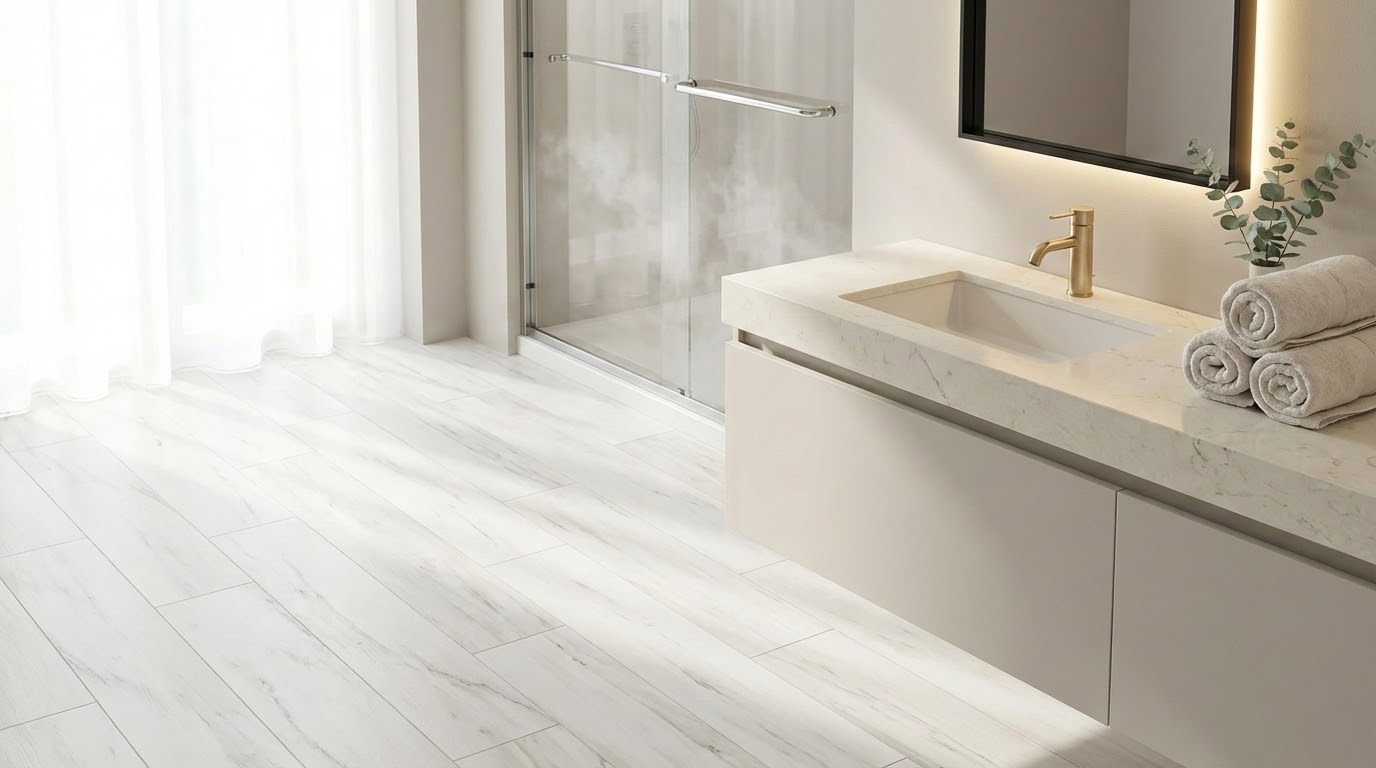
    Marble is the classic luxury finish, but its $50–$150 per square foot price tag puts it out of reach for many. Marble-look porcelain or ceramic tile costs as little as $4–$8 per square foot. Modern printing technology replicates marble’s veining and color variation so convincingly that the illusion is nearly flawless—especially from a few feet away.

    For example, Mohawk’s Endless Style collection offers porcelain tiles that mimic Calacatta marble for under $6 per square foot. These tiles are water-resistant, durable, and work for both floors and walls. Pair them with matte black grout to enhance the high-end look.

    Tip: Choose a honed finish (matte) over polished (glossy) for a more authentic marble look. Polished marble needs frequent sealing and shows water spots, while honed finishes are more forgiving.

    Finish Cost (per sq ft) Durability Maintenance Best For
    Marble-look porcelain tile $4–$8 High Low (honed finish) Floors, walls, shower surrounds
    Real marble $50–$150 Medium (requires sealing) High (etching, staining) Countertops, vanity tops
    Engineered quartz $15–$35 Very High Low Countertops, vanity tops
    Solid surface $10–$25 Medium Medium (scratch-prone) Countertops, vanity tops
    Natural stone (granite, soapstone) $20–$100 High Medium (requires sealing) Countertops, vanity tops

    2. Brass or Gold-Tone Fixtures and Hardware

    Brass and gold-tone finishes add warmth and luxury without overwhelming a space. Unlike chrome or nickel, which feel cold, brass and gold lend timeless elegance that pairs well with marble, wood, and dark paint.

    For a high-end look, choose brushed or satin brass finishes rather than polished. This reduces fingerprints and adds texture. Brands like Delta and Moen offer brass-plated faucets starting at $50, compared to $30–$40 for chrome.

    Tip: Mix brass and matte black finishes for modern contrast. For example, pair a brass faucet with matte black cabinet pulls and a matte black mirror frame. This “mixed metal” approach is common in designer bathrooms and adds visual interest.

    Where to splurge: A freestanding tub with brass feet or a vintage-style clawfoot design. These become focal points and justify the investment with their longevity and statement value.

    3. Statement Lighting: Sconces and Pendant Lights

    Lighting is the jewelry of a room. In a guest bathroom, a bold fixture can turn an ordinary space into a glamorous retreat. Look for:

    • Fittings with aged brass or gold finishes to match brass hardware.
    • Clear or frosted glass shades for soft, diffused light.
    • Dimmable options to adjust the mood for relaxing or getting ready.

    For example, a pair of brass sconces from Rejuvenation’s “Belle” collection costs $250 each—a bargain compared to custom lighting. For a budget option, IKEA’s “Berno” series offers brass-look sconces for under $60.

    Tip: Install sconces on either side of the mirror—not above—for even lighting that flatters all skin tones. This is a trick used in luxury spas and hotels.

    For ceilings, a small pendant with a glass or crystal element adds sparkle. Choose a fixture 12–16 inches wide to avoid overwhelming the space.

    4. High-End Wallpaper or Textured Paint

    A guest bathroom is ideal for bold wall treatments. Wallpaper adds pattern and depth, while textured paint mimics materials like linen or suede.

    Consider:

    • Grasscloth wallpaper: Made from natural fibers, it adds texture and warmth. Thibaut offers options starting at $100 per roll.
    • Metallic wallpaper: Silver or gold foil patterns reflect light and add glamour. Tempaper offers peel-and-stick metallic options under $50 per roll.
    • Textured paint: Benjamin Moore’s “Nantucket Gray” in a matte finish mimics Venetian plaster without the cost or difficulty. A gallon covers 400 sq ft and costs $60.

    Tip: Use wallpaper on one accent wall—like behind the vanity—to create a focal point without overwhelming the space. This approach is popular in boutique hotels.

    5. Freestanding Soaking Tub

    A freestanding tub is the ultimate luxury in a guest bathroom. It’s a statement piece that invites relaxation and elevates the room. While brands like Kohler or Maax charge $1,500–$4,000, budget-friendly alternatives deliver the same look.

    For example, Wayfair offers acrylic freestanding tubs starting at $400. These mimic cast iron or stone but are lighter and more affordable. Pair them with a brass or matte black faucet.

    Tip: Choose a tub with a flat rim for a modern look, or a rolled rim for a vintage vibe. The shape should match the bathroom’s style—round for traditional, oval for transitional, and angular for contemporary.

    Where to save: Opt for a tub with a built-in apron front to simplify installation and cut costs. Avoid jetted tubs unless essential; they need more maintenance and can look dated.

    6. Heated Floors and Towel Warmers

    Nothing beats stepping onto a warm floor on a cold morning—or wrapping yourself in a heated towel. These investments pay off in comfort and wow factor.

    Electric radiant systems like Warm Your Floor cost $8–$15 per square foot to install. They work with tile, porcelain, and engineered wood. A 3’x5’ bathroom would cost $120–$225 for the system plus installation.

    Towel warmers range from $100–$500. Look for models with timers so towels are warm when guests arrive. Brands like Towel Warmers USA offer wall-mounted and freestanding options.

    Tip: Pair heated floors with large-format tiles (12”x24” or larger) for a seamless look. Fewer grout lines make cleaning easier and the floor look more luxurious.

    7. Custom Mirrors and Vanities

    A mirror isn’t just functional—it’s a design statement. In a guest bathroom, a large custom mirror makes the space feel bigger and more luxurious. Look for mirrors with:

    • Floating designs for a clean, modern look without cabinets.
    • Backlit LED edges for a soft glow and contemporary feel.
    • Brass or gold frames to match other finishes.

    For vanities, consider floating designs to maximize floor space. A simple white or wood-tone cabinet with a quartz countertop can look custom with the right hardware. For example, IKEA’s “Godmorgon” series offers vanities starting at $200, which can be paired with quartz countertops from local suppliers for under $100.

    Tip: Add a small shelf or niche inside the vanity for extra storage. This detail is often overlooked but adds a high-end touch.

    How to Choose the Right Opulent Finishes for Your Guest Bath

    With so many options, how do you narrow it down? Start by asking:

    What’s Your Budget?

    Set a total budget before you begin. A full bathroom remodel ranges from $3,000–$15,000, but you can achieve an opulent look for less by focusing on finishes. For example:

    • Budget ($1,500–$3,000): Marble-look tile, chrome fixtures, textured paint, and a basic mirror.
    • Mid-Range ($3,000–$7,000): Engineered quartz countertop, brass fixtures, heated floors, and a freestanding tub.
    • High-End ($7,000–$15,000): Real marble, custom vanity, statement lighting, towel warmer, and heated floors.

    Tip: Allocate 60% of your budget to finishes that are hard to change later—like tile and flooring—and 40% to elements that can be swapped out, like rugs and artwork.

    What’s Your Bathroom’s Existing Style?

    Your finishes should complement—not clash with—the existing elements. For example:

    • Traditional: Opt for marble, brass, and ornate lighting.
    • Transitional: Mix marble-look tile with matte black fixtures and wood accents.
    • Modern: Choose large-format tiles, linear fixtures, and a monochromatic palette.

    Tip: Use the 60-30-10 rule for color balance. 60% of the room should be a dominant color (like white or light gray), 30% a secondary color (like brass or marble veining), and 10% an accent color (like bold wallpaper or rug).

    How Much Maintenance Are You Willing to Do?

    Some finishes need more upkeep than others. For example:

    • Low maintenance: Porcelain tile, engineered quartz, matte paint.
    • High maintenance: Polished marble, brass (needs polishing), high-gloss paint.

    Tip: If you travel often or have a busy household, choose finishes that hide dirt and water spots. Matte and textured surfaces work best.

    Where to Splurge—and Where to Save—on Guest Bath Finishes

    Not all finishes need to be high-end to look expensive. Strategic splurges and savvy cuts can create a cohesive, luxurious look without overspending.

    Splurge-Worthy Finishes

    These finishes make the biggest impact and are worth the extra cost:

    • Flooring: Tile is the foundation of your bathroom’s look. Choose high-quality porcelain or ceramic tile that mimics marble or stone. Avoid cheap vinyl or laminate, which can look dated and feel flimsy.
    • Countertops: Quartz or solid surface countertops add instant elegance and are more durable than laminate. Brands like Silestone offer marble-mimicking options for under $50 per square foot.
    • Faucet and Showerhead: These fixtures are used often and should feel substantial. A high-quality faucet from brands like Delta or Moen costs $100–$300 but lasts for decades.
    • Freestanding Tub: While not essential, it adds a spa-like feel and becomes a focal point. Choose acrylic or fiberglass for savings.

    Tip: If you splurge on a tub, keep the rest neutral to avoid overwhelming the space.

    Where to Save

    These finishes can be swapped for budget-friendly alternatives without sacrificing style:

    • Cabinetry: Use ready-to-assemble vanities from IKEA or Home Depot instead of custom cabinetry. Paint or refinish them to match your look.
    • Mirror: A large, unframed mirror is more affordable than a custom framed one but still makes a statement.
    • Towel Bars and Hooks: Basic chrome or nickel hardware works as well as brass—save brass for fixtures that are frequently touched.
    • Rugs and Artwork: Swap these out easily and find affordable options at retailers like Target or HomeGoods.

    Tip: Use paint or peel-and-stick wallpaper to update cabinetry or walls for a fraction of the cost of replacing them. A gallon of paint costs $30–$50 and transforms a space overnight.

    DIY vs. Professional Installation: What’s Worth the Investment?

    While DIY can save money, some projects are better left to professionals.

    DIY-Friendly Finishes

    These finishes are manageable for confident DIYers:

    • Paint: A fresh coat is the easiest way to update a bathroom. Choose satin or semi-gloss for durability.
    • Wallpaper: Peel-and-stick wallpaper is forgiving and easy to remove. Tempaper offers patterns that mimic grasscloth or metallic finishes.
    • Hardware: Swapping cabinet pulls, towel bars, and faucets is a quick weekend project.
    • Lighting: If comfortable with wiring, installing a new fixture is manageable. Turn off power at the circuit breaker first.

    Tip: Use painter’s tape for clean lines when painting trim or walls. A steady hand and small angled brush make the difference between a professional finish and a DIY disaster.

    Professional Installation Recommended

    These finishes need precision and expertise:

    • Tile: While DIYers can tackle tile, a pro ensures a level, even installation with minimal grout lines.
    • Flooring: Heated floors, hardwood, or large-format tile should be installed by a pro to avoid issues like uneven heating or cracking.
    • Plumbing: Any project involving pipes or water lines—like moving a toilet or installing a new tub—should be handled by a licensed plumber.
    • Electrical: Wiring for heated floors, towel warmers, or lighting should always be done by a licensed electrician.

    Tip: If hiring a pro, get at least three quotes and ask for references. A well-installed finish should last for decades with minimal maintenance.

    Real-Life Examples: Opulent Guest Bathrooms on a Budget

    These guest bathrooms prove that luxury doesn’t require a luxury price tag.

    Example 1: The Spa-Like Retreat

    Budget: $4,200

    Finishes:

    • Flooring: Marble-look porcelain tile ($1,200)
    • Countertop: Engineered quartz ($800)
    • Fixtures: Brushed brass faucet and showerhead ($400)
    • Lighting: Pair of brass sconces ($300)
    • Tub: Acrylic freestanding tub ($600)
    • Accessories: Towel warmer ($200), heated floors ($300), plush towels and rug ($400)

    Before/After: Before, the bathroom was a basic builder-grade space with white tile and chrome fixtures. After, it feels like a boutique hotel spa with warm tones, plush textures, and a freestanding tub.

    Example 2: The Modern Minimalist

    Budget: $3,500

    Finishes:

    • Flooring: Large-format porcelain tile in matte black ($1,000)
    • Countertop: White quartz with gray veining ($700)
    • Fixtures: Matte black faucet and hardware ($350)
    • Lighting: Linear LED mirror with backlit edges ($400)
    • Accent: Textured paint on one wall ($150)
    • Accessories: Chrome towel bars and hooks, basic mirror ($900)

    Before/After: Before, the bathroom was a generic white box. After, it feels sleek and contemporary with a monochromatic palette, bold tile, and minimalist fixtures.

    Example 3: The Vintage Glam

    Budget: $2,800

    Finishes:

    • Flooring: Hexagonal ceramic tile in soft pink ($800)
    • Countertop: Butcher block with marble-look laminate ($400)
    • Fixtures: Vintage brass faucet and clawfoot tub ($500)
    • Lighting: Crystal chandelier ($300)
    • Accent: Grasscloth wallpaper on one wall ($200)
    • Accessories: Antique-style mirror, plush towels ($600)

    Before/After: Before, the bathroom was a tired 1980s relic. After, it feels like a vintage Parisian apartment with bold patterns, brass accents, and a touch of whimsy.

    Common Mistakes to Avoid When Choosing Opulent Finishes

    Even well-intentioned projects can go wrong. Below are common mistakes homeowners make when selecting finishes—and how to avoid them.

    1. Choosing Trendy Finishes That Date Quickly

    Trends like bold colors or high-gloss finishes can look dated within a few years. Instead, choose timeless finishes like marble-look tile, brass hardware, or matte black fixtures. These last longer and appeal to more buyers.

    Tip: If you love a trendy finish, use it sparingly—like an accent wall or single statement piece—so it’s easy to swap later.

    2. Ignoring Scale and Proportion

    A guest bathroom is typically small, so large or bulky finishes can overwhelm the space. For example, a massive freestanding tub might look out of place in a 5’x7’ bathroom. Instead, choose a smaller tub or a built-in model.

    Tip: Use the “golden ratio” to guide your design. Divide the space into thirds and place the focal point in the center third.

    3. Skimping on Lighting

    Many homeowners under-light their guest bathrooms, leaving the space dull and uninviting. A single overhead light isn’t enough. Instead, layer lighting with:

    • Ambient lighting: A ceiling fixture or recessed lights.
    • Task lighting: Sconces or vanity lights.
    • Accent lighting: LED strips or a backlit mirror.

    Tip: Use warm white bulbs (2700K–3000K) for a cozy feel. Avoid cool white or daylight bulbs, which feel sterile.

    4. Overlooking Storage

    A guest bathroom needs storage for toiletries, towels, and cleaning supplies. Skimping on storage makes the space feel cluttered. Instead, choose:

    • Floating vanities: These create the illusion of more floor space.
    • Built-in niches: Recessed shelves in the shower or next to the mirror.
    • Over-the-toilet cabinets: These maximize vertical space.

    Tip: Use baskets or woven bins to corral toiletries and keep the space tidy.

    5. Forgetting the Small Details

    Small touches elevate a guest bathroom from ordinary to extraordinary. These include:

    • High-end towels: Choose plush, 100% cotton towels in neutral colors.
    • Luxury toiletries: Stock the bathroom with high-end soap, lotion, and tissues.
    • Fresh flowers or greenery: A small vase of eucalyptus or a potted orchid adds life.
    • Scent: Use a subtle diffuser or unscented candle when guests are over.

    Tip: Rotate seasonal decor to keep the space feeling fresh. Swap summer towels for cozy neutrals in fall.

    Final Thoughts: Creating a Guest Bathroom That Feels Like a Luxury Hotel

    Your guest bathroom doesn’t need to copy a five-star spa to feel luxurious. It just needs to be intentional. By focusing on high-impact, low-maintenance finishes and strategic splurges, you can create a space that wows guests and makes them feel at home.

    Luxury is in the details. A plush towel, a warm floor, a gleaming faucet—these touches turn a functional space into a sanctuary. And the best part? You don’t need to spend a fortune to achieve it.

    Start small: Swap a basic mirror for a statement piece or add brass sconces. These changes cost under $200 but make a big difference. Over time, layer in more finishes as your budget allows.

    For more ideas, see our guide to 7 Finishing Touches That Make Any Room Look Expensive, or browse our Bathroom Collection for affordable, high-end finishes.

    FAQs About Opulent Finishes for Guest Bathrooms

    What are the most cost-effective opulent finishes for a guest bathroom?

    The most cost-effective luxury finishes are marble-look porcelain tile, engineered quartz countertops, brushed brass fixtures, and textured paint. These mimic high-end materials at a fraction of the cost. For example, marble-look tile costs $4–$8 per square foot, while real marble averages $50–$150 per square foot.

    How can I make my guest bathroom feel more expensive without spending much?

    Focus on high-impact, low-cost changes: update hardware, add a statement mirror, or install sconces. Swap a basic faucet for brass, or layer in plush textiles. A fresh coat of sophisticated paint—like Sherwin-Williams’ “Agreeable Gray”—can also transform the space.

    What’s the best flooring for an opulent guest bathroom?

    The best flooring is porcelain or ceramic tile that mimics marble or stone. These are durable, water-resistant, and affordable. Choose a honed finish to avoid polished marble’s maintenance. For warmth, consider wood-look porcelain tile.

    Are heated floors worth the investment for a guest bathroom?

    Yes. Heated floors are a luxurious touch guests notice immediately. They’re especially useful in cold climates or with tile flooring, which feels cold underfoot. Electric radiant systems cost $8–$15 per square foot to install and work with most flooring types.

    How do I choose the right lighting for a small guest bathroom?

    Layer lighting: ambient (ceiling fixture), task (sconces or vanity lights), and accent (LED strips or a backlit mirror). Install sconces on either side of the mirror for even lighting. Choose fixtures 12–16 inches wide to avoid overwhelming the space.

    Can I mix finishes in a guest bathroom, or should I stick to one material?

    Mix finishes to create visual interest. Limit your palette to 2–3 finishes and vary textures. For example, pair marble-look tile with brass fixtures and matte black hardware. This “mixed metal” approach is trendy and adds depth.

    What’s the most durable countertop material for a guest bathroom?

    The most durable countertop is engineered quartz. It’s non-porous, scratch-resistant, and comes in many colors and patterns. Brands like Silestone offer marble-mimicking options for under $50 per square foot. Other durable choices include solid surface and natural stone like granite or soapstone.

    How do I update an existing guest bathroom on a tight budget?

    Focus on high-impact, low-cost changes: swap hardware, update the mirror, add a statement light fixture, and layer in plush textiles. A fresh coat of sophisticated paint can also transform the space. For example, painting walls in Sherwin-Williams’ “Sea Salt” adds a spa-like feel.

    Are freestanding tubs practical for guest bathrooms?

    Freestanding tubs are practical if space allows. They’re a statement piece that elevates the room’s aesthetic and provides a luxurious soaking experience. Choose acrylic or fiberglass models to save on cost. Avoid jetted tubs unless essential; they need more maintenance and can look dated.

  • The Ultimate Guide to High-End Kitchen Finishes That Won’t Break the Bank

    The Ultimate Guide to High-End Kitchen Finishes That Won’t Break the Bank

    Creating a beautiful cooking space doesn’t require an unlimited budget. True luxury comes from smart choices and careful planning. The most stunning rooms balance beautiful looks with practical use.

    Today’s top designs focus on how people actually live and gather. Every detail should serve a purpose while adding beauty. This approach makes sophisticated spaces accessible to more homeowners.

    This guide shares 16 specific ideas that transform ordinary areas into extraordinary ones. You’ll learn how strategic choices and quality materials create remarkable results. We focus on practical advice you can actually use.

    From custom storage solutions to professional appliances, we cover it all. Each section helps you add upscale elements to your renovation project. You’ll discover how to blend aesthetics with functionality perfectly.

    We draw from real examples and current trends to guide your decisions. Our friendly approach makes luxury design feel achievable, not intimidating. Thoughtful choices matter more than big budgets.

    Key Takeaways

    • Luxury design focuses on intention and smart planning over unlimited spending
    • Today’s most beautiful spaces balance functionality with personal style
    • Strategic choices can transform ordinary areas into extraordinary ones
    • Practical advice helps incorporate upscale elements into any renovation
    • Real-world examples and current trends provide reliable guidance
    • Thoughtful design decisions create more impact than large budgets
    • A friendly approach makes sophisticated design feel accessible to everyone

    Affordable Luxury: Transforming Your Kitchen on a Budget

    An elegant kitchen space emerges from a well-considered plan that focuses investment where it makes the most significant difference. The goal of true luxury isn’t excess, but refinement that fits how you live.

    You don’t need to overhaul everything to create an upscale look. Instead, identify a few high-impact elements that will transform the entire room’s feel. This approach makes a stunning kitchen achievable without a full, immediate renovation.

    Prioritizing quality over quantity is key. Choosing fewer, but superior, materials makes a stronger statement than filling the area with average ones. This thoughtful design principle ensures every dollar spent has maximum visual power.

    A great strategy is to mix splurges with saves. Invest in features you see and touch every day, like countertops. You can choose more budget-friendly options for components that are less visible. This balance creates a luxurious space smartly.

    Always plan with your daily life in mind. Consider how you move and work in the room. Thoughtful layouts and timeless choices ensure your beautiful kitchen will remain functional and stylish for years to come, protecting your investment.

    Custom Cabinetry for Personalized Kitchen Storage

    Forget one-size-fits-all solutions; custom-built cabinetry is the key to unlocking your kitchen‘s full potential for organization and style. It serves as the true foundation, creating a personalized space that aligns perfectly with your unique layout and daily routines.

    The functional advantages are immense. Imagine pull-out spice racks, hidden appliance garages, and cleverly concealed bins for waste. These features keep your countertops clear and make everything easy to find. This intelligent design turns chaos into calm efficiency.

    Extending your cabinet frames to the ceiling offers a major aesthetic upgrade. This creates a sleek, built-in look that standard options can’t match. It also utilizes every inch of vertical storage area that often goes wasted.

    Inside, the customization continues. Options like soft-close hinges, interior lighting, and divided drawer systems make daily tasks smoother. These thoughtful details add a layer of quiet luxury to your experience.

    A final touch like crown molding elevates the cabinetry from purely functional to a beautiful architectural element. When selecting materials and hardware, focus on quality that fits your budget. The goal is to build a storage system that accommodates your life, whether you love cooking or entertaining.

    Professional-Grade Ranges and Double Ovens for Culinary Excellence

    Serious home chefs know that the right cooking equipment can elevate every meal from ordinary to extraordinary. A professional-grade range serves as the heart of your kitchen, delivering both stunning visual impact and superior performance.

    These impressive appliances feature expansive cooking surfaces that let you prepare multiple dishes simultaneously. You can sear steaks while simmering sauces without feeling cramped. Double ovens add tremendous convenience, allowing you to roast meats at high temperatures while baking delicate desserts at lower settings.

    The precision cooking capabilities are remarkable. Powerful burners provide intense heat for perfect searing, while gentle simmer settings handle delicate preparations. Many models include flat-top griddles or induction zones for expanded versatility.

    Look for durable stainless steel construction and solid brass components that ensure longevity. Some ranges even feature smart technology for remote monitoring. These professional features transform your daily meal preparation into a truly enjoyable experience.

    Before investing, consider how often you cook multiple dishes or entertain. A professional range makes the most sense for those who regularly use their kitchen for elaborate meals. Choose equipment that matches your actual cooking habits for the best value.

    Built-In and Paneled Appliances for a Cohesive Look

    Seamless integration transforms ordinary rooms into extraordinary living environments. Built-in appliances create a unified aesthetic that elevates the entire space’s presence. They blend discreetly with your custom cabinetry rather than standing out as separate elements.

    This approach eliminates visual clutter and maintains clean, uninterrupted lines. Your cooking area feels calm and unified, more like a curated living space. The cohesive design makes every element feel intentional and purposeful.

    Paneled appliances work hand-in-hand with custom cabinetry to achieve a furniture-quality finish. The result looks refined and enduring rather than purely utilitarian. This partnership creates a polished look that feels both sophisticated and practical.

    Consider paneled refrigerator and freezer drawers for accessible storage. They keep beverages, produce, and snacks neatly organized while maintaining design continuity. Planning requires careful measurement and coordination with cabinetry installation.

    While paneled appliances represent an investment, they significantly elevate the overall look and feel. Dishwashers, refrigerators, and beverage centers benefit most from this treatment. Your kitchen achieves a harmonious appearance that feels truly integrated.

    Efficient Double Dishwashers to Keep the Kitchen Running Smoothly

    For households that love cooking and entertaining, double dishwashers transform cleanup from a chore to a seamless process. This practical luxury feature significantly enhances efficiency in any busy kitchen.

    Having two units creates remarkable workflow flexibility. One dishwasher can run while you load the other. This eliminates the frustrating wait for cycles to finish. Your cleanup process becomes continuous and stress-free.

    Dishwasher drawers offer excellent convenience for smaller loads. They’re perfect for quickly washing glassware or silverware. You don’t need to run a full cycle for just a few items. This smart approach saves time and energy.

    During entertaining, double dishwashers ensure you always have capacity. No matter how many guests attend or courses you serve, cleanup happens smoothly. Your kitchen remains organized throughout the event.

    Placement matters for optimal workflow. Consider installing units near prep areas or cleanup zones. This supports a natural way of working that reduces stress. The system should match how you actually use your space.

    This thoughtful approach to dish cleanup transforms your entire cooking experience. Double dishwashers keep everything flowing effortlessly, even during the busiest cooking sessions.

    Luxurious Pot-Filler Faucets for Enhanced Convenience

    Imagine filling a large pasta pot without ever lifting it from the burner. A pot-filler faucet mounted above your stove makes this possible. This smart feature eliminates the physical strain of carrying heavy, water-filled pots across the room.

    Beyond safety, it adds a professional touch to your setup. The fixture signals serious culinary capability. Designers like Poonam Khanna of Unionworks use these elements to blend functionality with style.

    You can choose between wall-mount or deck-mount designs. Wall-mount options save counter space and create a sleek look. Deck-mount versions offer flexibility if your layout requires it.

    Coordinate the finish with your other faucets and fixtures. This maintains a cohesive, intentional design scheme throughout the space. Matching finishes create a polished, integrated appearance.

    Consider placement height and reach when installing. A double-jointed arm provides maximum flexibility for different pot sizes. Proper positioning ensures easy access during all your cooking activities.

    This upgrade represents relatively affordable luxury. It delivers daily convenience for anyone who regularly prepares soups, stocks, or pasta. The investment pays off every time you avoid carrying a heavy pot.

    Dedicated Prep Sink: A Game Changer in Kitchen Design

    Streamline your cooking workflow with a strategically placed prep sink that keeps everything organized. This smart addition transforms how efficiently you prepare meals.

    Position your prep sink near the primary cooking area. This creates a logical work triangle that minimizes unnecessary movement. Your main sink stays free for other tasks like washing dishes.

    The hygiene benefits are significant. Having a separate area for washing produce reduces cross-contamination risks. You maintain better food safety standards throughout meal preparation.

    Pair your prep sink with a pull-down or bridge faucet for maximum reach. These styles provide excellent flexibility for filling pots and rinsing vegetables. They make cleaning small tools much easier.

    Practical applications include quickly rinsing herbs or filling water glasses. You can handle small messes without interrupting your cooking flow. This feature proves especially valuable when multiple people cook together.

    Consider placement in island designs or near countertop workspaces. The right sizing ensures comfortable use while fitting your layout. This thoughtful approach to kitchen design creates a more functional cooking environment.

    Double and Oversized Kitchen Islands as Focal Points

    Double islands revolutionize how families interact during meal preparation and casual dining experiences. This configuration creates distinct zones that serve different purposes beautifully. Your kitchen island becomes the true heart of daily activities.

    One island can function as a dedicated prep station with integrated appliances. Think microwave drawers, refrigerator units, and ample storage cabinetry. The second island transforms into a social hub perfect for casual meals.

    Waterfall-edge countertops make a sophisticated statement while showcasing premium materials. These designs create a furniture-like quality that elevates the entire room. This approach turns a functional element into an artistic focal point.

    Strategic electrical outlets keep small appliances running smoothly. No more unsightly cords crossing your workspace. Everything remains organized and accessible.

    Island Type Primary Function Recommended Features Ideal Room Size
    Single Oversized Multi-purpose workstation Prep sink, seating, storage 200+ sq ft
    Double Islands Separate prep and social zones Integrated appliances, dining space 300+ sq ft
    Perpendicular Design Space-efficient layout Waterfall edges, smart storage 250+ sq ft

    Proper sizing ensures comfortable movement around each island. Leave at least 42 inches of clearance on all sides. This maintains good traffic flow while maximizing surface area.

    Your kitchen island should reflect how you actually live and entertain. Thoughtful planning creates a space where cooking, dining, and socializing happen naturally. The right design makes this element your room’s stunning centerpiece.

    Instant Hot Water Taps for Modern, Efficient Living

    Modern living embraces efficiency, and instant hot water taps deliver this principle directly to your sink. This innovative feature provides boiling water immediately, eliminating the wait for kettles to heat up. It also saves valuable counter space by removing bulky appliances from your kitchen.

    The daily convenience is remarkable. You can quickly prepare tea, coffee, or instant meals without delay. Instant hot water works perfectly for blanching vegetables or sanitizing items safely.

    Energy efficiency is another significant advantage. These systems heat only the water you need, reducing energy waste compared to boiling full kettles repeatedly. Installation typically integrates with existing plumbing, making it a practical upgrade.

    This addition brings a sophisticated touch to any cooking space. It represents a smart investment that enhances your kitchen‘s functionality. The time saved each day quickly adds up to meaningful value.

    Beverage Stations and Wet Bars: Entertaining in Style

    A well-designed beverage area can completely change how you host guests and enjoy daily refreshments. These dedicated spaces transform ordinary entertaining into sophisticated experiences that flow smoothly.

    Keep drinks perfectly chilled with separate beverage or wine refrigerators. Your guests will appreciate having options at optimal temperatures without crowding the main kitchen refrigerator.

    Built-in coffee makers offer café-quality beverages while maintaining clean countertops. They can be discreetly concealed when not in use, preserving your space’s elegant appearance.

    Dedicated ice makers enable bar-quality cocktail preparation at home. No more running to the freezer or refilling ice trays during parties. This small addition makes a big difference in hosting confidence.

    Include a prep sink for mixing cocktails and rinsing glassware. This keeps your primary kitchen sink available for other tasks during gatherings. The convenience improves your entire entertaining workflow.

    Custom wine racks and glass-door cabinetry showcase collections beautifully. These design elements add personality while providing practical storage solutions. They create visual interest that guests will admire.

    With careful planning, your beverage station becomes a true focal point. It enhances both functionality and aesthetic appeal in your kitchen space. Thoughtful design ensures you’ll enjoy this feature for years to come.

    Kitchen Buffets: Combining Function and Design

    A kitchen buffet offers a perfect blend of serving space and smart storage. This versatile feature acts as a graceful bridge between your cooking and dining areas. It provides a dedicated spot for setting out food and drinks when you have guests.

    This keeps your main countertops free for actual meal preparation. Your workflow stays smooth and efficient during parties. The buffet’s surface becomes your entertaining command center.

    Below the counter, cabinetry holds items you don’t use every day. Think holiday dishware, specialty platters, or extra serving bowls. This clears out your daily-use cabinets from clutter.

    For a beautiful touch, add a display cabinet with glass doors above the buffet. This lets you show off favorite china or decorative glassware. It keeps your cherished items visible but safe from dust.

    Placement is key for creating a natural flow in the room. Position the buffet along a wall near your dining table. This makes serving and clearing meals a simple, logical process.

    You can choose a built-in design that matches your cabinetry for a seamless look. Or, select a freestanding piece that adds character and can be moved. This flexibility allows the buffet to become a true focal point that enhances both style and utility.

    Integrated Kitchen Lighting to Elevate Your Space

    Strategic illumination serves as the final layer that brings depth and dimension to any well-designed room. Comprehensive lighting transforms your cooking area from purely functional to truly sophisticated. It affects both usability and ambiance throughout the day.

    Layered lighting combines ambient, task, and accent elements to support various activities. This approach creates visual interest while ensuring proper visibility. Each layer serves a specific purpose in your space.

    Lighting Type Primary Function Best Placement Recommended Features
    Toe-Kick Lighting Ambient atmosphere Beneath base cabinets Warm LED strips, dimmable
    Under-Cabinet Lighting Task illumination Below upper cabinets LED tape lights, cool white
    Pantry Lighting Storage visibility Inside storage areas Motion-activated sensors
    Cabinet Lighting Accent display Interior of cabinets Auto-on when doors open

    Toe-kick lighting casts a warm glow that illuminates floors during evening hours. Under-cabinet options provide essential task lighting for food preparation safety. They eliminate shadows on countertops where precision matters most.

    Motion-activated pantry lighting automatically illuminates storage areas when you approach. Interior cabinets can feature lights that activate when doors open. These smart solutions make finding items effortless while adding luxury touches.

    Backlit cabinets highlight beautiful countertops and backsplashes as design features. Integrated controls allow customization for different occasions. Dimmers adjust from bright task lighting to soft ambient glow for entertaining.

    Luxury Pantry Solutions: Organizing with Elegance

    Think of your pantry as the command center that supports all your culinary activities. A well-designed pantry system keeps your main cooking area clutter-free and guest-ready. It transforms simple food storage into an efficient organizational hub.

    Hidden pantries disguised as cabinetry maintain clean visual lines throughout your luxury kitchen. They provide abundant storage while blending seamlessly with your design. This approach keeps essentials accessible without visual distraction.

    Walk-in designs offer spacious organization for serious cooks. They accommodate bulk items, small appliances, and specialty ingredients. This generous layout makes everything easy to find when you need it.

    Pantry Type Primary Function Key Features Best For
    Hidden Cabinet Discreet storage Blend with cabinetry, roll-out shelves Smaller spaces, clean aesthetics
    Walk-In Comprehensive organization Adjustable shelving, appliance stations Large families, serious cooks
    Tall Cabinet Vertical efficiency Pull-out drawers, spice racks Limited floor space
    Butler’s Pantry Transitional prep area Prep sink, additional counter space Entertaining, meal staging

    For compact areas, tall pantry cabinets maximize vertical space. Roll-out drawers and built-in organizers create custom systems. Adjustable shelving adapts to your changing storage needs.

    Butler’s pantries serve as transitional zones between cooking and dining areas. They provide extra prep space and small appliance storage. This thoughtful design keeps your main kitchen organized during gatherings.

    Custom features like labeled bins and pull-out baskets create personalized organization. Your luxury kitchen benefits from dedicated, well-planned storage. Everything remains conveniently accessible while maintaining beautiful aesthetics.

    High-End Kitchen Finishes That Make a Statement

    Beyond appliances and layout, the tactile experience of premium materials creates lasting impressions. Your choice of surfaces and fixtures transforms functional areas into personalized expressions of style. These elements work together to create a cohesive design narrative.

    Premium countertops serve as stunning focal points. Materials like Calacatta Gold marble feature dramatic veining patterns that command attention. Nero Marquina marble offers deep, elegant contrast for a bold statement.

    Waterfall-edge countertops extend materials vertically down island sides. This technique creates a furniture-like aesthetic that showcases stone beautifully. The continuous flow makes even compact spaces feel more expansive.

    Innovative sink designs maximize functionality while adding luxury. Workstation models feature integrated cutting boards and prep spaces. Some include built-in glass washers and customizable covers for ultimate convenience.

    Unlacquered brass cabinetry develops a natural patina over time. This living finish adds character and warmth to your space. The evolving color tells a story of daily use and appreciation.

    Custom lacquer colors allow for personalized color statements. You can match existing decor or introduce bold accents. This flexibility ensures your space reflects individual preferences perfectly.

    Mixed-material approaches create visual interest. Try combining terrazzo countertops with natural wood cabinetry. Pair stainless steel elements with warm brass fixtures for balanced contrast.

    Select cohesive, quality finishes where every element feels intentionally chosen. Balance bold statements with subtle supporting features. This approach creates sophistication without overwhelming your kitchen space.

    Modern Trends Inspired by Celebrity Kitchens

    Looking to famous designer kitchens reveals exciting new directions in home styling that blend artistic expression with practical functionality. These spaces showcase how personal touches create memorable rooms.

    Trend Type Key Feature Designer Example Style Impact
    Bold Cabinetry Custom color statements Martyn Lawrence Bullard’s green cabinets Creates strong focal point
    Statement Lighting Oversize fixtures as art Hannes Peer’s glass chandelier Adds dramatic ambiance
    Custom Islands Mixed material combinations Tamsin Johnson’s marble island Serves as room centerpiece
    Natural Stone Floor-to-ceiling installations Hugo Toro’s marble walls Adds luxury texture

    Color makes a powerful statement in today’s luxury kitchen design. Designers like Jennifer Bunsa use green terrazzo countertops while Hugo Toro creates custom red lacquer cabinets. These bold choices transform ordinary spaces.

    Lighting serves as artistic focal points beyond mere functionality. Oversize pendants and custom chandeliers create ambiance. They work alongside strategic task lighting for beautiful, usable rooms.

    Custom islands demonstrate thoughtful design ideas that balance form and function. From cantilevered marble to mixed metal designs, these pieces become the heart of gathering spaces. They showcase how luxury emerges from personalization.

    Open shelving and concealed appliances represent current trends toward seamless aesthetics. These design ideas prioritize clean lines while maintaining full functionality. The result feels both luxurious and livable.

    Conclusion

    Achieving a refined cooking space that serves as the heart of your home requires focusing on features that deliver daily value and lasting appeal. True luxury emerges from thoughtful planning rather than unlimited spending.

    Each element we’ve explored—from custom storage solutions to integrated lighting—works together to create a cohesive design. These features support your unique way of living, whether you love entertaining or family dining.

    Remember that your dream space is built through intentional choices that reflect personal style. Quality materials and smart layouts create environments where cooking and gathering happen seamlessly. This approach makes sophisticated design accessible to every homeowner.

    Your journey toward an exceptional culinary environment begins with recognizing what matters most in your daily life. Focus on the elements that will bring you joy and functionality for years to come.

  • Luxury Hotel Bathroom Features You Can Recreate at Home for Under $500

    Luxury Hotel Bathroom Features You Can Recreate at Home for Under $500

    Remember that wonderful feeling from a recent hotel stay? The serene atmosphere and elegant details made your private time feel special. Many of us wish to bring that same pampered experience into our own houses.

    A common belief is that creating this upscale look requires a massive financial investment. This guide is here to show you that’s simply not true. You can achieve a stunning transformation without a huge price tag.

    The secret lies in making smart choices about where to focus your efforts. Professional designers often suggest starting with the floor for maximum visual impact. You can then build around that foundation.

    We will walk you through the process of identifying key design elements from luxury hotels. You’ll learn how to replicate that sophisticated feel with affordable materials and clever ideas.

    This approach proves that a beautiful and functional space is absolutely within reach. Let’s explore how to turn your vision into reality.

    Budget-Friendly Design Tactics

    Smart design choices are the secret to an impressive transformation. You can achieve a high-end look by focusing on materials and creative accents.

    Small changes make a big difference. Let’s explore some effective tactics.

    Choosing Affordable Materials and Finishes

    Start with your tile selection. Instead of standard sizes, consider unique dimensions. Formats like 2×9 inches create a custom appearance.

    This approach adds personality without a higher cost. Larger-format tiles are another excellent option.

    They provide a modern look with fewer seams. This can also speed up installation.

    Creative Accent Ideas: Grout Colors and Trim

    Never underestimate the power of grout. Using a dark color instead of white makes basic tiles pop.

    The best part? Colored grout costs the same. It’s a simple trick with major visual impact.

    For another layer of interest, add decorative trim pieces. Use them as accents around a mirror or in a shower.

    You only need a small quantity. This strategic splurge won’t affect your overall plan.

    Achieving a Luxury Bathroom on Budget Look

    The right installation approach can dramatically elevate your space without overspending. Careful planning ensures every dollar works hard to create that upscale feel.

    Focus on techniques that deliver maximum visual impact while controlling costs. This smart strategy makes your project both beautiful and affordable.

    Replicating Upscale Textures and Details

    Start by preserving your existing room layout whenever possible. Moving plumbing fixtures like toilets and showers consumes most of your funds.

    This simple decision saves thousands in labor costs. Your investment then goes toward materials that enhance the design.

    Consider tiling walls completely to the ceiling in wet areas. This creates a seamless, polished appearance throughout the space.

    The technique also provides practical moisture protection. It eliminates the need for paint in high-humidity zones.

    Smart Tile Selections and Installation Tips

    Always use cement board as your substrate before tiling. This stable foundation ensures your installation lasts for years.

    It provides crucial water resistance behind the scenes. This professional step prevents future problems.

    Incorporate functional elements like built-in shower seats during the tile phase. They offer convenience while adding elegant detail.

    Focus tile installation on high-impact areas like the shower surround. Use paint on other walls to stretch your budget further.

    Understand which projects suit DIY efforts versus needing professional help. This awareness prevents costly installation mistakes.

    DIY Upgrades and Smart Shopping

    Updating cabinet hardware offers an immediate transformation with minimal effort and cost. This approach lets you achieve a custom look without the custom price tag. Focus on strategic changes that deliver maximum visual impact.

    Simple Hardware and Vanity Renovations

    Swapping out knobs and pulls is one of the fastest ways to refresh your space. A simple screwdriver is all you need for this upgrade. New hardware can transform builder-grade cabinets into something special.

    Explore unique options at vintage stores or specialty shops. The LIBERTY CABINET HARDWARE line at The Home Depot provides extensive choices. Buying multi-packs saves money compared to individual pieces.

    Consider converting furniture into a one-of-a-kind vanity. An old dresser or sideboard becomes a stunning focal point. Basic carpentry skills let you cut openings for the sink and plumbing.

    Repainting existing cabinets creates a fresh new look. Proper surface preparation ensures a professional finish. White paint remains a timeless choice that coordinates beautifully.

    For countertops, laminate alternatives offer budget-friendly options. Pre-cut sizes eliminate expensive custom fabrication. This smart approach keeps your remodel affordable.

    Add final touches with creative organization ideas. Inexpensive accessories enhance both function and style. These small details complete your upgraded space.

    Integrating Hotel-Inspired Features on a Budget

    Smart sourcing and creative thinking unlock premium results without premium costs. Focus on elements that create immediate visual impact while staying within your financial plan.

    Luxurious Lighting and Mirror Enhancements

    Good lighting transforms any space. Consider layered approaches with ambient and task lighting.

    Mirror choices also make a big difference. Framed options add elegance without high expense.

    Repurposing and Upcycling for High Impact

    Vintage finds offer character at affordable prices. Check local salvage shops for unique pieces.

    Professional reglazing services restore older items to like-new condition. This approach saves significant money compared to buying new.

    Finding Budget Bathtubs and Unique Fixtures

    Instead of expensive new options, explore secondhand markets. You can find beautiful vintage tubs for under $500.

    For your shower area, fabric curtains provide flexibility and style. They offer easy updates when you want a fresh look.

    Coordinate accessories like soap dispensers and towels in matching sets. This creates a cohesive, intentional design throughout the space.

    Conclusion

    The journey to creating a spa-like environment begins with smart planning and creative vision. You’ve discovered that high-end results don’t demand massive spending. Thoughtful choices make the real difference in any home transformation.

    Focus on elements that deliver maximum visual impact. Strategic material selections and clever upgrades create that elegant look you desire. Remember that professional designers often mix affordable finds with key investments.

    Your space can evolve gradually as time and resources allow. Start with the changes that matter most to your daily experience. Trust your personal style throughout the process.

    You now possess the knowledge to approach your project with confidence. Small, intentional changes accumulate into dramatic results. Embrace the creative process and enjoy crafting your perfect retreat.

    FAQ

    What’s the most impactful change I can make without a full remodel?

    Updating your hardware and lighting can dramatically change the feel of the space. Swapping out old faucets, showerheads, and cabinet pulls for modern finishes like matte black or brushed nickel gives an instant refresh. Pair that with new, layered lighting for a high-end look.

    How can I make my tile look more expensive?

    Focus on installation patterns and grout! Using a larger format tile can make a small room feel bigger. A herringbone or vertical stack bond pattern adds designer detail. Choosing a grout color that closely matches your tile creates a seamless, expansive look, while a contrasting color can make the pattern pop.

    Is it possible to get a freestanding tub without a huge cost?

    Absolutely! While stone tubs are pricey, acrylic options offer a very similar sleek profile for a fraction of the price. Also, check local showrooms for floor models or clearance items. A strategically placed tub can become a stunning focal point in your design.

    What are some easy DIY vanity upgrades?

    Instead of replacing the entire cabinet, consider painting it and adding new hardware. You can also update the sink faucet and replace an old countertop with a budget-friendly material like quartz remnant. Adding a new mirror or framed medicine cabinet above it completes the transformation.

    How can I add more storage without it looking cluttered?

    Think vertical! Use wall-mounted shelves or a tall, narrow cabinet to utilize empty wall space. Baskets and stylish containers on open shelving keep necessities handy but tidy. Repurposing a small dresser or console table as a vanity can also provide unique storage solutions.

  • Designer Secrets: How to Choose the Perfect Statement Lighting on Any Budget

    Designer Secrets: How to Choose the Perfect Statement Lighting on Any Budget

    Welcome to the exciting world of dramatic light fixtures! The right choice can completely transform your living space from ordinary to extraordinary. You don’t need a professional’s price tag or major renovations to achieve this stunning effect.

    Think of exceptional illumination as jewelry for your house. It’s one of the most impactful elements that can elevate your entire interior aesthetic instantly. The perfect fixture sets the tone for your whole decor scheme.

    This comprehensive guide reveals professional secrets for selecting amazing pieces that won’t strain your finances. We’ll prove that beautiful fixtures don’t have to come with shocking price tags.

    You’ll learn how to choose, position, and shop for dramatic pieces that look expensive but are surprisingly affordable. We’ll share practical tips from interior experts that really work.

    Get ready to explore everything from understanding what makes illumination truly special to specific product suggestions. We’ll provide room-by-room guidance and smart shopping strategies that maximize style while minimizing cost.

    Introduction: The Impact of Lighting on Home Design

    The magic of well-planned illumination lies in its power to redefine any interior. It goes far beyond simple functionality to become a foundational element that establishes mood and creates visual interest throughout your living environment.

    Professional designers consistently prioritize fixture selection early in their planning process. This strategic approach ensures that illumination choices influence color schemes, furniture arrangement, and overall spatial flow from the beginning.

    The right fixtures can highlight architectural details and create compelling focal points. They possess the remarkable ability to make areas feel more expansive or intimate, depending on your specific design goals.

    Many homeowners make the common error of allocating their entire resources to furniture and finishes first. This often leaves insufficient funds for quality illumination, which compromises the complete design impact.

    Strategic illumination choices elevate even modest interiors, serving as the cohesive element that ties all design components together. They create that polished, professional look that makes every space feel intentionally designed.

    Understanding What Makes a Statement Light

    What truly sets a standout fixture apart from ordinary ones? It’s designed to be the star of the room, not just a source of illumination. These pieces grab attention and become an instant focal point.

    Think of the difference between a simple lamp and a sculptural art piece. That’s the power of a well-chosen fixture.

    Defining Characteristics and Design Elements

    A great piece has several key features. Scale is crucial—it must fit the room’s proportions perfectly.

    Visual interest comes from unique form, texture, or finish. Intentional placement ensures it gets noticed.

    Design cohesion means it complements your existing decor instead of clashing with it. These elements work together to create a memorable visual moment.

    It doesn’t always need to be huge or flashy. Sometimes subtle details make the biggest impact.

    How Materials and Finishes Amplify Style

    Your choice of materials dramatically influences the overall feel. Glass creates an airy, elegant look.

    Metal, especially warm brass, adds sophistication. Matte black offers a modern edge.

    Natural materials like rattan bring organic texture. Colored or smoked glass introduces moodiness.

    Finishes reinforce your design theme. Brushed metals suit transitional spaces, while polished finishes work in traditional settings.

    These choices help your fixture serve as a design anchor that ties the room together beautifully.

    Embracing “statement lighting on budget” in Your Space

    You might be surprised how dramatically one focal point can redefine your living area’s character. A single well-chosen piece becomes the design anchor that pulls everything together.

    Why a Statement Light Transforms a Room

    This approach offers incredible value. One dramatic fixture can replace multiple decorative elements, saving you money on accessories and wall art.

    It creates instant cohesion between your furniture and color scheme. The right choice establishes a clear style direction throughout the space.

    Scale and shape work together to create commanding presence. Even simple rooms feel professionally decorated with this strategic addition.

    There’s also a psychological benefit at play. Guests perceive spaces with quality illumination as more thoughtfully designed.

    This strategy proves particularly valuable for rentals or starter homes. You achieve maximum impact with minimal permanent changes and reasonable financial constraints.

    Affordable options deliver the same visual impact as designer pieces by focusing on form rather than brand names. Your room transformation awaits.

    How to Choose the Perfect Fixture for Every Area

    Every space in your home deserves a fixture that complements its unique purpose and dimensions. The right choice can transform ordinary rooms into extraordinary living environments.

    Room-Specific Considerations and Placement Tips

    For dining areas, center your pendant directly above the table. Keep it 30-36 inches above the surface. This creates ideal illumination without blocking views.

    Living rooms offer flexible options. Use one substantial central fixture or create visual interest with two or three smaller coordinating pendants. Both approaches provide balanced light while making a collective statement.

    Bedrooms benefit from oversized bedside sconces that free up nightstand space. A bold central pendant can create a boutique hotel aesthetic. Hallway fixtures set the tone for your entire home, making a powerful first impression.

    Balancing Size, Scale, and Function

    Professional designers use a simple sizing formula. Measure your room’s length and width in feet. Add these numbers together for the approximate fixture diameter in inches.

    A 12ft by 14ft room needs about a 26-inch wide light. Ceiling height determines fixture style choices. Standard 8-foot ceilings work well with flush or semi-flush fixtures.

    Higher ceilings (9+ feet) allow for dramatic pendants that maximize vertical space. Ensure your chosen piece provides adequate task illumination for the room’s purpose. Supplement with additional ambient fixtures when needed.

    Designer Picks: Affordable Table, Floor, and Wall Lamps

    Professional designers often turn to accessible lighting solutions that deliver high-end style at reasonable prices. The right combination of table, floor, and wall fixtures creates a cohesive, layered look throughout your home.

    Budget-Friendly Options for the Living Room and Bedrooms

    Mid-century modern table lamps offer clean lines and iconic silhouettes. Updated with contemporary finishes like matte black or brushed brass, these pieces bring timeless appeal.

    Modern rechargeable table lamps provide cordless convenience. They work beautifully as bedside companions or portable accent pieces.

    Arc floor lamps create dramatic overhead-style illumination without ceiling installation. Tripod designs in wood or metal bring sculptural interest to empty corners.

    Charming Fixtures for Kitchens, Dining Rooms, and More

    Wall lights in brushed metal or ceramic finishes add sophistication. They work perfectly flanking beds or illuminating hallways.

    Rattan pendant lights create natural, boho charm above kitchen islands. Fabric shades offer soft, elegant illumination for dining room tables.

    Modern pendant lights with metal and glass elements make bold statements. Brass, black, or white finishes provide sleek, timeless appeal.

    Mixing these fixture types creates professional layered illumination. Pair an affordable pendant with complementary table or floor lamps for both function and style.

    Innovative Ideas for Mixing Lighting Styles

    Creating a beautifully lit room involves more than just picking one fixture. The real magic happens when you thoughtfully combine different types of illumination.

    This approach adds depth and flexibility to your space. It allows you to adapt the mood for any occasion.

    Layering Techniques to Elevate Ambiance

    Think of your illumination in three distinct layers. Ambient light provides the general glow for the whole room.

    Task illumination focuses on specific areas like reading nooks or kitchen counters. Accent lights highlight artwork or architectural details.

    Combining these layers creates a sophisticated and functional environment. A dramatic pendant can serve as ambient light, while table lamps offer task lighting.

    Wall sconces can provide both task and accent functions. This mix ensures no single source has to do all the work.

    When blending different design styles, find a common thread. Similar finishes or materials help modern and traditional pieces coexist beautifully.

    Varying the height of your fixtures adds visual interest. Try a pendant, a floor lamp, and a table lamp together.

    Dimmers are essential for controlling the mood throughout the day. They let you transition from bright functional light to soft evening glow.

    Match your light temperature to the room’s purpose. Cooler tones work well in offices, while warmer tones suit relaxing spaces.

    Turnkey Solutions from Top Budget Lighting Brands

    The market offers numerous turnkey solutions from brands that prioritize design over luxury markups. These manufacturers provide complete, ready-to-install pieces that work beautifully in various decor styles.

    Featured Brands and Their Signature Pieces

    Progress Lighting, Capital Lighting, and Mitzi Lighting deliver stylish, well-constructed fixtures at accessible price points. Their collections feature versatile designs with clean lines that suit multiple room types.

    IKEA remains a surprisingly valuable resource for affordable illumination. The brand offers minimalist ceiling lights and industrial-style pendant options that look far more expensive than their modest prices suggest.

    Quorum Lighting specializes in classic, timeless pieces like barn lights. Many of their options work beautifully in farmhouse and transitional spaces while staying under $50.

    Emerging brands like PR Home and Ideal Lux focus on quality materials and practical functionality. They offer competitive price points without compromising aesthetics.

    Despite recent market changes affecting lighting costs, these brands represent excellent value. Their complete solutions eliminate the need for expensive customization while delivering professional results.

    Tips to Get the Best Style Without Breaking the Bank

    The secret to high-end style at accessible prices lies in knowing where to focus your resources. You can achieve a designer look without breaking the bank through strategic planning.

    Smart Shopping and Price Match Strategies

    Focus your spending on one standout piece that becomes the room’s focal point. Choose a dramatic pendant or chandelier for your most visible space.

    Surround this centerpiece with simple, affordable supporting fixtures. This approach creates maximum impact without breaking your budget.

    Shop during seasonal sales and utilize price match guarantees. Many brands offer quality options at reasonable prices.

    Utilizing Dimmers and Multi-Layered Lighting

    Dimmers provide incredible flexibility for any fixture. They allow one piece to serve multiple lighting moods throughout the day.

    Combine several affordable fixtures at different heights instead of one expensive statement piece. This layered approach creates sophisticated illumination.

    Strategic placement of quality pieces in high-traffic areas delivers the best value. Save simpler options for secondary spaces.

    Conclusion

    Achieving that magazine-worthy look in your living space is within reach for any homeowner. The right decorative piece can transform ordinary rooms into extraordinary environments without straining your finances.

    Remember the key lessons: understand what makes a fixture stand out, choose pieces that fit each area’s purpose, and layer different sources for maximum impact. Whether you select a dramatic chandelier, sculptural floor lamp, or bold wall fixture, your choice will create intentional, professional-looking decor.

    You now have the knowledge to shop smart and prioritize quality options at great prices. Apply these designer secrets with confidence. Your perfect statement lighting awaits, ready to reflect your personality and create the ambiance you deserve.

    FAQ

    What exactly is a "statement" light fixture?

    A statement piece is a light that serves as the focal point of a room. It has a unique design, bold scale, or interesting materials that make it stand out. Think of it as the jewelry for your space—it adds personality and style instantly.

    Can I really find stylish lighting without breaking the bank?

    Absolutely! Many brands like IKEA, Target’s Project 62 line, and Wayfair offer beautiful, designer-inspired pieces at affordable prices. The key is to focus on clean lines, interesting shapes, and quality finishes like matte black or brushed brass, which look high-end.

    How do I choose the right size pendant or chandelier for my room?

    A good rule of thumb for a dining room is to choose a pendant or chandelier that is about half to two-thirds the width of your table. For ceiling lights in other spaces, add the room’s length and width in feet, and use that number in inches for the fixture’s diameter.

    What are the best types of lights for creating a layered look?

    To build ambiance, combine different sources. Use a central ceiling light for overall illumination, floor and table lamps for task lighting, and wall sconces or picture lights for accent. This mix avoids harsh shadows and makes any space feel cozy and designed.

    Are there specific materials that give a more luxurious feel for less?

    Yes! Glass pendants, fixtures with metal finishes like aged brass or nickel, and designs with textured shades can look very expensive. Brands such as CB2 and West Elm often have sales on these styles, making luxury accessible.

    What’s one simple trick to make my existing light fixtures feel new?

    Installing a dimmer switch is a game-changer. It’s an inexpensive upgrade that lets you control the mood of a room completely. You can soften a bright overhead light for a relaxing evening or brighten it for cleaning, all from the same fixture.

  • The 7 Finishing Touches That Make Any Room Look Expensive

    The 7 Finishing Touches That Make Any Room Look Expensive

    Dreaming of a home that feels luxurious and polished? You can achieve that high-end aesthetic without a massive budget or hiring a designer. It’s all about smart, intentional choices that elevate your space.

    Small details possess incredible power. The right finishing touches can transform an ordinary area into a place that feels sophisticated and curated. This approach works for any budget or square footage.

    This guide walks you through seven specific, actionable ideas used by interior designers. We cover everything from strategic lighting to thoughtful decor placement. These are the secrets to creating a space with serious style.

    Whether you’re refreshing your living area, bedroom, or entryway, these tips adapt to your home and personal taste. You will discover both quick fixes and slightly more involved projects. Each one delivers maximum visual impact for your effort.

    You don’t need professional design experience to succeed. A willingness to focus on details and make thoughtful selections is all it takes. Let’s explore the simple ways to give your home a beautiful, expensive feel.

    Enhancing Room Aesthetics with Finishing Touches

    What separates ordinary spaces from extraordinary ones is often found in the details. These final elements bring cohesion and personality to your interior design.

    Why Details Matter in Interior Design

    Professional designers consistently highlight how small details create significant impact. They transform basic areas into spaces that appear professionally designed.

    Finishing touches serve as the jewelry of a room. Just like accessories complete an outfit, the right accents pull together your entire design scheme.

    The Role of High-Quality Accents

    Quality accent pieces draw attention and establish the tone for your space. Even budget-friendly items can elevate the overall feel when chosen carefully.

    Thoughtful curation creates intention in your design. Fewer, better-quality items produce a more luxurious result than numerous mediocre pieces.

    Attention to details like hardware finishes and textile textures signals careful consideration. This approach helps you make smarter purchasing decisions for your home.

    Embracing Luxurious Textures and Materials

    Luxury in interior design isn’t just about visual appeal—it’s deeply connected to the physical experience of textures. These tactile elements add richness that transforms ordinary spaces into sophisticated environments.

    Faux and Opulent Fabrics

    Velvet pillows and cashmere throws create instant sophistication. These fabrics invite touch and elevate your furniture’s presence.

    Faux versions offer the same luxurious texture without high costs. This approach makes luxury accessible for any budget or style.

    Choose down inserts one size larger than pillow covers. This creates the plump, expensive appearance seen in designer spaces.

    Mixing Materials for a Sophisticated Look

    Combining different textures prevents flat, one-dimensional areas. Layering creates depth and visual interest throughout your space.

    Natural materials like solid wood and leather feel inherently upscale. They bring authenticity that synthetic alternatives cannot match.

    Incorporate varied materials from smooth glass to rough fibers. This multi-dimensional approach engages all senses for a truly curated room feel.

    Budget-Friendly Ideas to Make Room Look Expensive

    Smart decorating choices can transform your living space into an elegant environment without substantial financial investment. Many luxurious finishes require more creativity than cash.

    DIY Window Treatments and Decorative Pillows

    Ready-made drapery offers excellent value for your home. Velvet panels create immediate sophistication at a fraction of custom costs.

    Clearance aisles hold hidden treasures for pillow upgrades. Look for discounted down inserts to replace poly-fill alternatives. This simple swap delivers plush comfort.

    Fresh floral arrangements add life but can strain your budget. High-quality faux greenery provides lasting beauty. Dried flowers or backyard branches offer natural charm.

    Paint remains one of the most transformative options available. A bold accent wall or contrasting door color creates dramatic impact. These ideas work beautifully in any bedroom or living area.

    Strategic shopping helps you find quality pieces over time. Focus your limited funds on high-visibility areas for maximum effect.

    Using Statement Lighting and Art for Impact

    Nothing commands attention quite like bold lighting fixtures and substantial art pieces in interior design. These elements serve dual purposes, providing essential function while creating stunning visual drama.

    Lighting and artwork work together to establish your space’s character. They create focal points that anchor the entire design scheme with sophistication.

    Choosing Oversized Fixtures and Sculptural Lamps

    Designers often select lighting that appears slightly too large for a room. This approach creates greater visual impact than undersized fixtures.

    A statement chandelier or pendant light in metallic finishes like brass or gold adds instant elegance. These pieces become conversation starters while illuminating your space beautifully.

    Sculptural lamps function as both practical lighting and decorative art. They eliminate the need for additional wall decor while adding personality.

    Large-scale art creates the illusion of an expensive gallery installation. A single oversized piece commands more attention than multiple small artworks.

    Budget-friendly DIY options deliver high-end results. Use materials like shower curtains or thrifted canvases to create substantial art that appears costly.

    Both lighting and art represent relatively simple updates. They transform your environment without major renovations, offering maximum style impact.

    Elegant Window Treatments and Wall Accents

    Windows and walls offer some of the most impactful opportunities for adding sophistication to your home. These elements work together to create a cohesive, layered appearance throughout your space.

    Installing Drapery for Enhanced Height

    Proper drapery installation creates dramatic visual effects. Mount curtain rods high above the window frame and extend them beyond the trim.

    This “high and wide” technique gives the illusion of taller ceilings and larger windows. Your entire room feels more spacious and well-proportioned.

    Choose floor-to-ceiling lengths for optimal impact. The hem should gently touch the floor or create a slight puddle for relaxed elegance.

    Velvet panels bring warmth and luxury to any living room. They add texture without requiring custom fabrication.

    Wall accents like crown molding add architectural interest. These details frame your space with a tailored, custom appearance.

    Consider painting doors a contrasting color from the walls. This creates visual interest and signals intentional design choices throughout your home.

    Together, window treatments and wall accents establish a sophisticated foundation. They transform basic areas into thoughtfully designed environments.

    Elevating Your Space with Functional Decor and Quality Furniture

    Achieving that polished, collected-over-time aesthetic hinges on thoughtful furniture selection and strategic arrangement. The right approach to your core furnishings can transform the entire feel of your home.

    Decluttering to Create a Refined Look

    Decluttering is the most important free step toward sophistication. Even beautiful furniture loses impact when surrounded by clutter. Professional designers follow the “less is more” principle.

    Evaluate everything on display in your living area. Consider coffee table books, decorative objects, and kitchen appliances. Keep only items that serve a purpose or bring genuine joy.

    Create a designated home for every item in your space. This prevents surfaces from becoming dumping grounds. It maintains the clean aesthetic that characterizes upscale environments.

    Curating Art and Furnishings with Intention

    Resist buying matching furniture sets from the store. Instead, mix pieces from different sources and eras. This creates a more sophisticated, collected-over-time appearance.

    Incorporate heirloom quality furniture found at estate sales. These vintage finds add character and authenticity to your living spaces. They often cost less than new pieces.

    Choose natural materials like solid wood and real marble. These materials feel inherently luxurious compared to synthetic alternatives. A few well-chosen items create more impact than numerous mediocre pieces.

    Functional decor serves dual purposes. An appropriately sized area rug defines your living zone while adding warmth. A large statement vase fills empty space beautifully.

    Practical Designer Tips and DIY Solutions

    Professional designers know that lighting strategy separates amateur spaces from magazine-worthy rooms. These accessible techniques create sophisticated environments without professional help.

    Leveraging Lighting Layers and Architectural Details

    Interior design experts recommend three lighting types for depth and function. Ambient lighting includes ceiling fixtures that illuminate the entire area.

    Task lighting provides focused illumination for specific activities. Accent lighting creates atmosphere with wall sconces and picture lights.

    Dimmer switches transform your lighting system completely. They allow you to adjust ambiance throughout the day for cozy vibes.

    Update existing lamps with modern shades rather than replacing entire fixtures. Choose 2700 Kelvin bulbs for warm, inviting light in your living room or bedroom.

    Paint walls and trim the same color for visual continuity. This technique creates the illusion of more space throughout your home.

    Neutral bases allow colorful accents to shine beautifully. Select paint colors from the extreme ends of sample strips for dramatic contrast.

    Update cabinet hardware with unique pulls for instant character. Add thick white mats to framed art for luxurious presentation.

    Strategic mirror placement reflects natural light into darker areas. These small architectural details work together cohesively.

    These designer tips deliver professional results through simple DIY solutions. They help any space feel more intentional and sophisticated.

    Conclusion

    Transforming your home into a sophisticated sanctuary is simpler than you might imagine. These seven finishing touches prove that luxury stems from thoughtful details rather than unlimited spending.

    Whether working with your living room, bedroom, or any area, these ideas adapt beautifully. Small changes deliver significant impact. Swapping pillows for textured alternatives or adding statement lighting creates immediate elevation.

    Remember that budget-friendly options exist for every suggestion. The true secret lies in intentional choices that reflect your personal style.

    Start with one or two touches that resonate most with your space. Even minor enhancements accumulate over time to create a home that feels genuinely premium.

    Your environment should bring you pride and comfort. Choose your favorite idea from this guide and implement it this week. Take that first step toward the expensive-looking space you deserve.

    FAQ

    What is the most important thing to focus on to make a space feel luxurious?

    The most crucial element is quality. Investing in a few high-quality pieces, like a solid wood side table or a beautiful wool rug, has a bigger impact than filling the area with many lower-quality items. Good materials and craftsmanship instantly elevate a room’s feel.

    How can I make my home look expensive on a tight budget?

    Focus on smart updates that deliver a big visual punch. DIY projects, like sewing your own decorative pillows from opulent-feeling fabrics or creating custom window treatments, are fantastic options. Another powerful, budget-friendly tip is to declutter thoroughly, as a clean, organized space always feels more refined and intentional.

    What role does lighting play in making a room feel high-end?

    Lighting is everything! Designers always use layers of light. This means combining a central statement fixture, like a sculptural lamp or an oversized chandelier, with softer ambient lighting from floor lamps and task lighting. This creates depth and drama, which is a hallmark of luxury interior design.

    Can you suggest ways to add texture to my living room?

    Absolutely! Mixing materials is key to a sophisticated look. Try combining a velvet sofa with a nubby bouclé chair, a sleek marble coffee table, and a chunky knit throw. Don’t forget your walls—adding a grasscloth wallpaper or a large piece of textured art can add incredible depth and style.

    How do I choose the right art for my bedroom or living area?

    Choose art that you genuinely love and that fits the scale of your wall. One large, impactful piece is often better than several small ones. It doesn’t have to be an original painting; a high-quality, well-framed print can look just as elegant. The goal is to curate with intention, making the art a focal point.

    What is a simple trick to make my ceilings appear higher?

    A classic designer trick is to install drapery. Hang the curtain rods close to the ceiling, not just above the window frame, and let the panels fall all the way to the floor. This simple change draws the eye upward, creating an illusion of enhanced height and grandeur in the space.

  • 5 Splurge-Worthy Home Investments That Actually Add Value (And 5 to Skip)

    5 Splurge-Worthy Home Investments That Actually Add Value (And 5 to Skip)

    What if your dream renovation could actually pay you back—not just in personal satisfaction, but in cold, hard cash?

    The real estate world looks different today. With inflation at 2.7% and homeowner equity down 2.1% year-over-year, smart financial decisions matter more than ever. Every dollar spent needs to work harder for your future.

    Here’s some good news: despite economic uncertainty, remodeling projects are showing better returns. Harvard researchers predict Americans will spend a record $524 billion on property enhancements in early 2026. The average cost recouped on popular upgrades increased compared to last year.

    We all love beautiful spaces that reflect our style. But the smartest renovations deliver both lifestyle enjoyment and financial returns. This guide helps you spot the difference.

    We’ve analyzed data from the National Association of Home Builders and the latest Cost vs. Value Report. Top real estate agents shared their insights too. You’ll discover five upgrades worth splurging on and five projects to reconsider.

    Whether you’re selling soon or building long-term wealth, this information saves time, money, and regret. Let’s find the improvements that truly enhance your property’s worth.

    Key Takeaways

    • Economic changes make smart financial choices more critical for property owners
    • Remodeling projects are delivering better returns despite market uncertainties
    • Record spending expected on property enhancements in 2026
    • The best upgrades balance personal enjoyment with financial returns
    • Data-driven insights help identify worthwhile improvements
    • Some popular projects may not deliver expected financial benefits
    • Informed decisions can save significant time and money

    Understanding the Landscape of Home Investments

    Smart property upgrades balance immediate enjoyment with long-term financial benefits. Current economic conditions make strategic improvement choices more critical than ever.

    Defining What Adds Value to Your Property

    True value enhancement delivers three key advantages. First, smart financial spending prevents overspending while maximizing returns.

    Second, resale advantage attracts buyers and reduces time on market. Third, emotional satisfaction makes you fall in love with your space again.

    Key Trends in Property Improvements for 2026

    Despite 2.7% annual inflation and a 2.1% decrease in homeowner equity, remodeling projects show increased cost recovery. Harvard researchers predict record spending of $524 billion on enhancements in early 2026.

    The remote work explosion continues shaping property preferences. With 23% of the workforce working remotely, flex rooms and dedicated offices become extremely coveted features.

    Buyers now prioritize energy efficiency in heating, cooling, and appliances. Demographic shifts show Baby Boomers as the largest buyer group, seeking properties ideal for aging in place.

    Regional demands vary significantly. What works in one area may not translate to another market. Understanding local expectations ensures your improvements deliver maximum returns.

    Budget-Friendly vs. Splurge-Worthy Upgrades

    Not all improvement dollars are created equal. Understanding which ones multiply can transform your financial outlook. The key metric separating wise spending from money pits is return on investment.

    Zonda’s Cost vs. Value Report reveals exciting data. Three property upgrades actually deliver over 100% ROI. Garage door replacement leads with 193.9% to 268% return. Steel entry doors follow at 188.1% to 216%. Manufactured stone veneer completes the trio with 153.2% ROI.

    Comparing Cost Versus Return on Investment

    Budget-friendly projects like painting cost little but impress buyers. They often recover 107% of their expense. Major undertakings like room additions show different results. These expensive projects may only return 30-35% of your investment.

    Consider kitchen remodels carefully. A minor midrange update costing $28,458 recoups about $32,141 at resale. That’s 113% ROI. Meanwhile, a major upscale kitchen overhaul might recover just 51% of costs.

    When to Save and When to Splurge

    The National Association of Realtors tracks both ROI and Joy Scores. How a renovation makes you feel matters tremendously. If you plan to stay long-term, projects with lower ROI but high personal enjoyment remain worthwhile.

    Always prioritize safety and structural integrity first. Address roof repairs, foundation issues, and plumbing leaks before aesthetic upgrades. This approach ensures your property remains sound while maximizing financial returns.

    Home Investments That Add Value: A Strategic Perspective

    The most successful renovation plans combine data-driven decisions with buyer preferences. This strategic approach ensures your dollars work efficiently.

    ROI-driven projects and market insights

    Recent data reveals surprising return patterns. Garage door replacement delivers 193.9% to 268% ROI for around $4,672. Steel entry doors follow closely with 188.1% to 216% returns.

    Mid-range kitchen updates show strong performance. A $28,458 remodel typically recoups $32,141 at resale. This represents 113% ROI compared to upscale overhauls recovering just 51%.

    Buyer priorities continue evolving. The NAHB 2024 study shows 86% want patios. Security cameras jumped from 40% to 76% essential rating since 2012.

    Strategic property enhancement balances three key factors. Financial returns through smart ROI projects attract buyers. Market trends indicate desired features. Regional demands vary significantly.

    Create a prioritized plan fitting your budget and timeline. Focus on improvements delivering both personal satisfaction and financial benefits. This approach maximizes your property’s worth.

    Enhancing Curb Appeal with Exterior Renovations

    First impressions are formed in seconds, and your property’s curb appeal sets the tone for the entire viewing experience. Smart exterior improvements create immediate visual impact that attracts serious buyers.

    High-ROI Exterior Upgrades

    Garage door replacement delivers exceptional returns. The average $4,672 installation recoups 268% at resale. Consider the Clopay Classic Collection starting at $666.

    Steel entry doors offer 216% ROI for around $2,435. Buyers appreciate metal’s energy efficiency and durability. The JELD-WEN Lite Craftsman door costs $636 with excellent insulation.

    Stone veneer installation transforms 1,250 square feet for $17,950. It recovers 97% to 153% of costs. Coronado Stone Products’ River Rock provides beautiful texture.

    Budget-Friendly Enhancements

    Complete exterior painting averages $3,177 but touch-ups cost less. 2026 trends favor jewel and earth tones. Sherwin-Williams Peppercorn creates a sophisticated look.

    Pressure washing costs $241-$418 for a complete refresh. This removes dirt and mold from surfaces. Updated house numbers start at $3 per digit for instant polish.

    Mailbox upgrades make a surprising difference. Standard steel options cost $35. The Postal PRO kit includes a post for $69. These small changes significantly boost exterior appeal.

    Transforming Interiors: Kitchens, Bathrooms, and Beyond

    The true test of a property’s appeal happens indoors, where functional spaces like kitchens and bathrooms reveal their worth to discerning visitors. These rooms make buyers either breathe a sigh of relief or start calculating renovation costs.

    Smart interior improvements balance aesthetic appeal with practical functionality. They create spaces that feel both modern and welcoming.

    Strategic Interior Enhancements

    A minor kitchen remodel delivers impressive returns. Updating a 200-square-foot space costs about $28,458 but recoups $32,141 at resale. This represents 113% ROI compared to upscale overhauls recovering just 51%.

    Bathroom transformations show similar patterns. A midrange 5×7-foot bathroom costing $26,138 recoups about 80% of costs. Upscale versions may only return 42%.

    Cost-effective upgrades make dramatic impacts:

    • New faucets and hardware in brushed nickel or matte stainless-steel
    • Cabinet refacing through professional painting
    • Granite countertops averaging $3,250 or affordable tile options
    • Flooring updates that increase property worth by $11,731 on average

    Fresh paint remains one of the most powerful tools. It adds approximately $12,130 to asking prices while helping spaces photograph beautifully. Light neutral colors let potential buyers envision their own style.

    Creating Inviting Outdoor Living Spaces

    Outdoor spaces are no longer just lawns – they’re becoming fully functional extensions of indoor living. Builders recognize this shift, adding porches to 68% and patios to 64% of new constructions.

    Decks, patios, and smart outdoor features

    A backyard wooden deck delivers solid returns. Building costs range from $3,600 to $7,200 with 45% to 55% ROI. Different materials can boost returns to 82.9%.

    Buyer demand for outdoor living is impressive. The NAHB 2024 study shows 86% of buyers want a patio. This feature helps properties sell faster.

    Fire pits create cozy gathering spaces for friends and family. They rank as top priorities for people shopping for properties.

    Pool installation averages $41,966. While ROI has improved recently, weigh personal enjoyment against resale benefits in your local area.

    Tips for boosting energy efficiency outdoors

    Fixr.com’s 2025 trends highlight seamless indoor-outdoor transitions. Enclosed patios and porches extend usable space throughout more seasons.

    Strategic placement of features maximizes natural light. Proper lighting and covered areas manage energy use while extending usability.

    Front porches benefit from simple styling. Kohl’s offers Shine Company Vermont rockers at $169.99 each. These show buyers how to use the space.

    A well-designed deck or patio becomes an additional living zone. This expands your property’s functional square footage significantly.

    Revamping Aging Systems for Long-Term Savings

    While cosmetic upgrades grab attention, the real financial wisdom lies in updating aging infrastructure before problems arise. Properties 10-15 years old often need system replacements that savvy buyers notice immediately.

    Modernizing HVAC, windows, and insulation

    HVAC replacement averages $7,500 for complete installation. Multi-zone systems rank among buyers’ top five most-wanted technology features according to NAHB research.

    Window upgrades deliver impressive dual benefits. The U.S. Department of Energy reports 25%-30% of heating and cooling energy escapes through inefficient windows. New vinyl windows provide 67.1%-74% ROI while cutting energy bills.

    Low-emissivity coating reduces energy loss by 30%-50%. These modern windows meet varying climate zone standards nationwide.

    Low-flow toilet technology has improved significantly since 1994 restrictions. Modern 1.28 GPF models like Glacier Bay’s $99 unit move less water more forcefully.

    Energy Star certified appliances reduce energy use without sacrificing performance. When essential expenses rise, efficient dryers, washers, and refrigerators become must-haves.

    These system improvements work together creating monthly savings while building appeal for efficiency-focused buyers.

    Prioritizing Projects Based on ROI and Market Trends

    Before breaking ground on any project, savvy owners first study their specific regional landscape. National trends provide guidance, but local market dynamics determine actual returns.

    Understanding regional demands and buyer expectations

    Baby Boomers now lead property purchases according to NAR data. This demographic seeks properties near family and suitable for retirement living. They prioritize energy efficiency in heating, cooling, and appliance choices.

    Regional examples show dramatic value differences. Atlanta’s unfinished basements add $15,000-$20,000 to properties. Finished versions increase worth by $40,000-$50,000. Northern Maryland parking pads costing $1,200 become huge upgrades where street parking is scarce.

    Feature preferences vary significantly by buyer type:

    • Families with children prefer bathtubs over walk-in showers
    • Larger laundry rooms with drop zones appeal to busy households
    • Paved driveways become essential in winter climates
    • Rural markets value outbuildings for equipment storage

    Consult local real estate professionals before investing. They understand what trending features deliver maximum returns in your specific area.

    Expert Insights and Practical Tips for Smart Investments

    Real estate experts share their hard-won wisdom about what truly moves the needle in today’s market. Their practical advice bridges the gap between data and real-world results.

    Advice from real estate professionals and remodeling experts

    Top Atlanta agent Leighann Russell reveals how finishing a basement can bump your property into another price bracket. Even among properties ranging from $250,000 to $400,000 in Georgia, the difference between unfinished and finished can mean $20,000 to $30,000 more.

    Gina Baum of northern Maryland emphasizes the importance of details. “The mailbox kills me,” she says. “You have a beautiful property and they have a dented-up old mailbox.”

    Baum passionately endorses painting as the cheapest improvement with maximum impact. She notes that consistent colors create flow in online listings, unlike the “Easter egg hunt” effect of multiple colors.

    Russell offers strategic flooring advice for higher-end properties. She often advises against replacing decent carpets since new owners typically install hardwood anyway.

    Case studies and success stories from recent renovations

    Baum recommends luxury vinyl planks for their durability and easy cleaning. This practical alternative appeals to buyers preferring gray or espresso tones.

    Russell understands buyer psychology well. “Some buyers lack vision,” she notes. Small improvements help them see a property as move-in ready, leading to stronger offers.

    Always consult local real estate professionals before starting any project. Get multiple quotes for major work and understand what improvements deliver maximum returns in your specific market.

    Professional guidance helps avoid costly mistakes while ensuring your renovation timing aligns with optimal returns.

    Conclusion

    The journey to a more valuable living space begins with strategic planning and informed choices. Not all property enhancements deliver equal returns.

    Focus on projects that truly boost your property’s worth. Garage doors, steel entry doors, and stone veneer offer exceptional ROI. Minor kitchen updates and curb appeal improvements also add significant value.

    Approach major expansions and luxury overhauls with caution. These often recover less than half their costs.

    Always prioritize safety and structural needs first. Understand whether you need quick returns or long-term enjoyment.

    Consult local real estate professionals for regional insights. Their guidance ensures your improvements attract potential buyers effectively.

    With the right strategy, your property can become more comfortable and financially rewarding. Start planning your smart upgrades today.