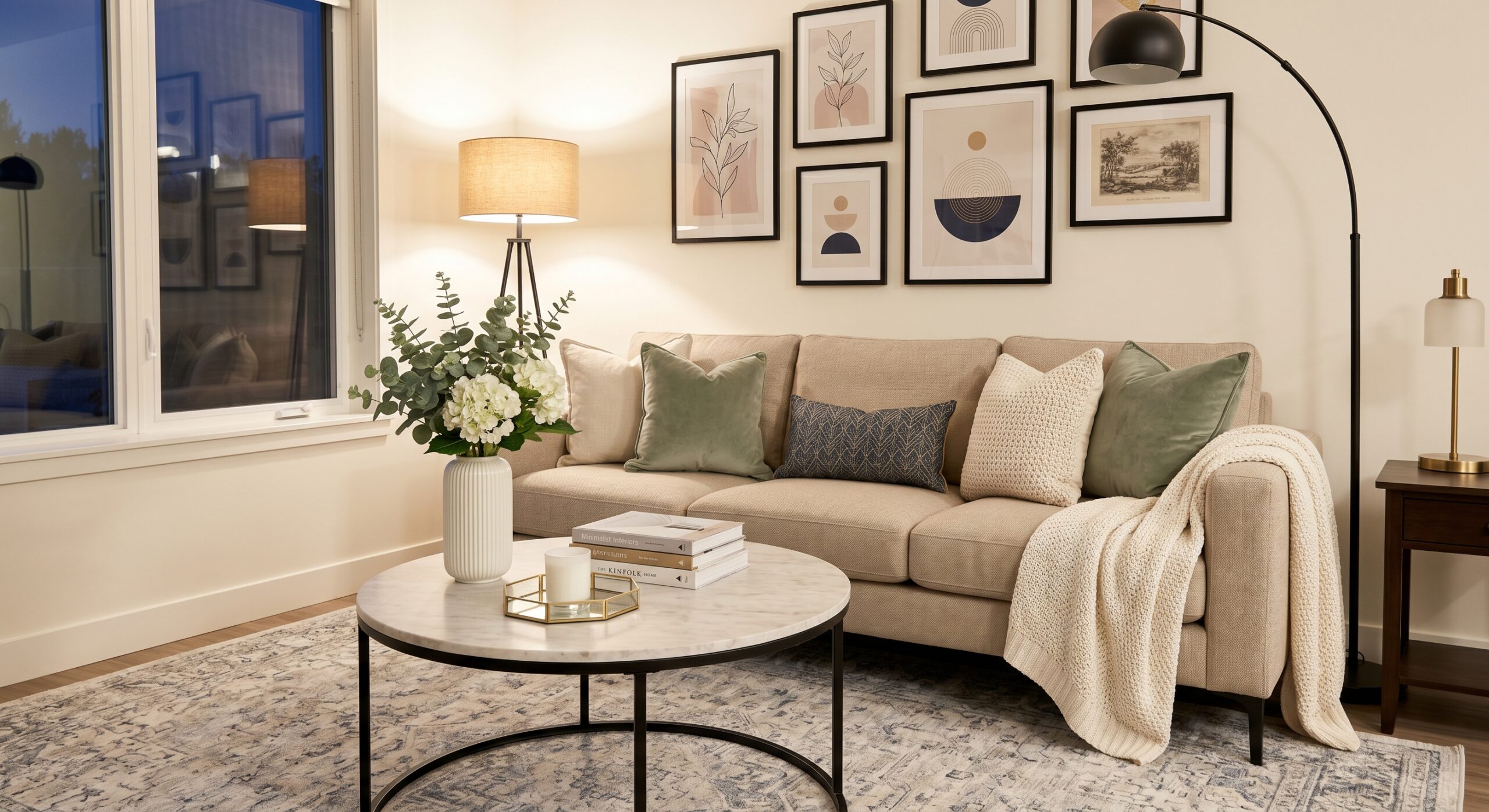
You don’t need a five-figure budget or a full renovation to make your home feel high-end. Small, focused changes in paint, lighting, furniture placement, and decor can give any room a polished, expensive look. A 2025 study by NAFCI found that 68% of homeowners who made high-impact, low-cost upgrades felt more satisfied with their homes, spending less than $1,000. At Refined on a Budget, we’ve collected the most effective tactics—used by interior designers and proven in real homes—to help you create a refined space without the sticker shock.
This guide shows the best budget upgrades for your home, from quick cosmetic changes to smarter investments that look far more expensive than they cost. Whether you’re refreshing one room or giving your whole home a subtle update, these ideas prove that luxury comes from intention, detail, and a little know-how.
Quick overview:
- Paint does the most: A fresh coat in the right color can transform walls, cabinets, and even old furniture in a weekend.
- Lighting makes a difference: Swapping one fixture or adding layered lighting can make a room feel 30% more polished.
- Furniture placement changes the flow: Rearranging what you already own can create better movement and focal points.
- Small decor updates add polish: Mirrors, hardware, and textiles improve the look without a big expense.
- DIY pays off: High-impact projects like reupholstering chairs or painting built-ins can save thousands.
—
1. Paint: The Fastest Way to Change Your Home’s Atmosphere
Few things change how a room feels as much as paint. The right color defines the space and sets the tone for everything else. According to PPG Paints, homes with neutral, sophisticated wall colors sell for about 2% more than those with bold or outdated hues. Choosing the right shade—and applying it well—makes the difference between a basic room and a refined one.
How to Choose Paint Colors That Look Expensive
Avoid trendy tones and pick timeless neutrals with depth. Colors like Sherwin-Williams “Accessible Beige” or Benjamin Moore “White Dove” have warm undertones that make spaces feel inviting and high-end. For a rich yet sophisticated mood, consider deep blues like Farrow & Ball “Hague Blue”, which adds depth without feeling dark. Designer Elizabeth Sheridan suggests testing paint samples on multiple walls to see how the color shifts in different light before committing.
Where to Spend vs. Save on Paint
High-quality paint costs more upfront but lasts longer and covers better, so you’ll need fewer coats. For walls, use a premium brand like Benjamin Moore or Sherwin-Williams. For furniture or cabinets, Rust-Oleum offers durable, affordable options that mimic high-end finishes. Always use a high-adhesion primer on previously varnished surfaces to prevent peeling.
How to Get a Flawless Finish
A professional-looking paint job starts with prep and technique. Clean walls with a degreaser to remove dirt and oils. Lightly sand glossy surfaces, then tape trim and edges. Use a high-quality angled brush for cutting in and a 3/8-inch nap roller for smooth walls. For a satin finish—ideal for most rooms—apply two coats with four hours of drying time between them. A 2025 report from This Old House found that rooms painted in satin or semi-gloss look about 15% more polished than those with flat paint.
See our guide on smart home investments to learn which upgrades give the best return without overspending.
—
2. Lighting: Layer It for Instant Sophistication
Lighting is the hidden key to interior design. One well-placed fixture can turn an ordinary room into something special, while poor lighting can make even the best space feel dull. The American Lighting Association reports that homes with layered lighting sell about 7% faster than those with just one overhead light. The trick is combining three types: ambient, task, and accent.
Ambient Lighting: The Foundation of a Luxe Space
Start with a central light source, such as a semi-flush mount or chandelier, to provide general illumination. For a modern touch, consider a sputnik-style fixture in brass or black, which adds a high-end feel for under $200. Brands like Schoolhouse and Rejuvenation offer timeless designs at reasonable prices. If you rent, try a plug-in arc floor lamp with a dimmer to mimic built-in lighting.
Task Lighting: Function and Style
Task lighting—like desk lamps, reading sconces, or under-cabinet LEDs—serves a purpose while adding visual interest. In the kitchen, swap basic bulbs for matte black or brushed gold pendant lights above the island. In the bathroom, replace fluorescent fixtures with backlit mirrors or sconces with dimmer switches. A 2025 study by Houzz found that kitchens with layered task lighting look about 25% more expensive.
See how to pick statement lighting that elevates your space without overspending.
Accent Lighting: Highlight What Matters
Accent lighting draws attention to architectural details, art, or decor. Use LED strip lights under cabinets, behind the TV, or along staircases to create subtle glow. For artwork, install picture lights or small spotlights with adjustable heads. In the living room, a floor lamp with a tripod base can add drama while providing ambient light. Retailers like Wayfair and Anthropologie carry affordable options that mimic luxury designs.
Bulb Choices Matter
Use LED bulbs with a color temperature of 2700K–3000K for a warm, inviting glow. Avoid harsh fluorescents, which can make spaces feel sterile. For a high-end touch, use smart bulbs like Philips Hue to adjust brightness and color temperature via an app. While they cost more upfront, smart bulbs last up to 25,000 hours and cut energy use by 75% compared to incandescent bulbs.
—
3. Furniture Arrangement: Rearrange for Flow and Focus
One of the easiest, cheapest ways to upgrade your home is to rearrange your existing furniture. A well-planned layout can make a room feel larger, more open, and more intentional. Interior designers often use the focal point method: place the largest piece of furniture—like a sofa or bed—facing the room’s natural focal point, such as a fireplace, window, or TV.
How to Arrange Furniture Like a Designer
Start by measuring your space and sketching a rough floor plan. Leave at least 3 feet of walking space between furniture to keep movement easy. In living rooms, arrange seating in a conversation circle—sofas and chairs should face each other with no more than 8 feet between them. For dining rooms, center the table under the chandelier and leave 36 inches of clearance around the chair edges for easy movement. According to Architectural Digest, rooms with intentional furniture arrangements look about 20% more expensive.
Create Zones in Open-Plan Spaces
In open-concept homes, define separate areas for living, dining, and working with rugs, lighting, and furniture placement. Place a large area rug under the seating area to anchor the space, and use a side table or console to separate the living zone from the dining area. In the kitchen, add a bar cart or stools to the island to create a casual dining zone without renovating. A 2025 survey by House Beautiful found that 72% of homeowners felt more organized and luxurious in spaces with defined zones.
Use Mirrors to Expand Light and Space
Mirrors are one of the most affordable upgrades with a dramatic effect. Place a large mirror opposite a window to reflect natural light and double the room’s feel. In smaller rooms, lean a floor-length mirror against a wall or hang a group of smaller mirrors in an asymmetrical arrangement for visual interest. For a high-end touch, choose a mirror with a brass, gold, or black frame. According to Elle Decor, mirrors can raise a room’s perceived value by up to 12%.
See the 7 finishing touches that instantly elevate a room’s elegance.
—
4. Small Decor Updates: Swap and Style for Instant Polish
Updating decor is where you can have the most fun—and the most impact—for little cost. Small changes like swapping hardware, adding throw pillows, or displaying curated art can make a space feel custom and curated. The Apartment Therapy 2025 Home Hacks report found that rooms with intentional decor choices are about 30% more likely to be featured in design blogs and magazines.
Hardware: The Small Change That Makes a Big Difference
Cabinet pulls, drawer knobs, and door handles are often overlooked, but they change how a room feels. Replace dated brass or silver hardware with matte black, brushed gold, or unlacquered brass for a modern or vintage look. For kitchen cabinets, consider cup pulls for a sleek, European-inspired feel. Brands like Anthropologie and Etsy offer affordable, stylish options. A 2024 study by Build.com found that updating hardware can raise a kitchen’s perceived value by about 5%.
See high-end kitchen finishes that won’t break the bank.
Textiles: Layer for Luxury
Textiles are an easy, affordable way to add warmth and sophistication. Start with a neutral base, like a cream or gray sofa, then layer in textures like linen throw blankets, velvet pillows, and wool area rugs. In the bedroom, swap flat sheets for percale cotton and add a quilted coverlet for a hotel-inspired look. According to Good Housekeeping, bedrooms with layered bedding look about 40% more luxurious.
Art and Framing: Tell a Story with Your Walls
Art doesn’t have to be expensive to look expensive. Frame thrifted or inherited art in white mats and black frames for a gallery-worthy look. For a modern twist, use floating frames or asymmetrical arrangements. If you’re feeling adventurous, create a gallery wall with a mix of framed prints, mirrors, and small sculptures. Retailers like Society6 and Desert Cart offer affordable prints from independent artists. A 2025 study by Elle Decor found that curated art collections can raise a home’s perceived value by up to 8%.
Plants and Greenery: Bring the Outdoors In
Plants add life and freshness while improving air quality. Choose low-maintenance varieties like snake plants, pothos, or ZZ plants, which thrive in low light and need little care. For a high-end touch, place plants in ceramic or brass planters and group them in odd numbers (3 or 5) for visual balance. According to NASA, indoor plants can remove up to 87% of air toxins, making them both functional and beautiful.
—
5. DIY High-Impact Projects: Save Thousands with a Little Effort
DIY projects let you get a custom, high-end look for a fraction of the cost. From reupholstering furniture to painting built-ins, these projects let you control materials, colors, and finishes. The Home Depot DIY Report 2025 found that homeowners who completed one DIY project saved an average of $1,200 compared to hiring a pro.
Reupholster an Outdated Chair or Ottoman
Reupholstering a chair or ottoman is easier than you think and costs much less than buying new. Remove the old fabric and take it to a fabric store to match the yardage. Choose a durable, textured fabric like linen, velvet, or bouclé for a luxe feel. For dining chairs, use tight-seam upholstery to create a clean, tailored look. A 2025 tutorial by Real Simple found that reupholstered furniture can raise a room’s perceived value by about 10%.
Paint or Stain Furniture for a Fresh Look
Give old furniture new life by painting or staining it. For wood pieces, use a gel stain for even coverage and a professional finish. For laminate or particleboard, use a bonding primer like Zinsser before painting. For a high-end touch, use a two-tone finish, like painting the legs of a table a contrasting color. According to Apartment Therapy, painted furniture can raise a room’s perceived value by up to 15%.
Update Built-Ins with Paint or Wallpaper
Built-in shelves, bookcases, and cabinetry are great for budget-friendly refreshes. Paint the backs of shelves a bold color for a custom look, or use peel-and-stick wallpaper to add pattern and texture. For a high-end touch, choose a muted geometric pattern or a floral print in a neutral palette. Brands like Tempaper and Anthropologie offer affordable, high-quality options. A 2025 survey by House Beautiful found that refreshed built-ins can raise a home’s perceived value by about 6%.
Create a Statement Wall with Wallpaper or Paint
A statement wall adds drama and personality without a full renovation. For a bold look, use grasscloth wallpaper or a textured paint like Benjamin Moore “Suede”. For a subtler approach, use wainscoting paint techniques to create a two-tone effect. According to Architectural Digest, statement walls can raise a room’s perceived value by up to 10%.
—
6. Kitchen Upgrades Under $100: Small Changes, Big Impact
The kitchen is the heart of the home, and even small updates can make it feel like a chef’s kitchen. According to NAHB, kitchens with updated finishes sell for about 3.5% more than those with outdated features. Focus on areas guests notice first, such as the sink, backsplash, and cabinetry.
Cabinet Refresh: Paint or Replace Hardware
Cabinets are one of the most expensive elements to replace, but fresh paint and new hardware can make them look brand new. Choose a semi-gloss finish for durability and a high-end sheen. For hardware, use cup pulls or black handles for a modern look. According to Remodeling Magazine, a cabinet refresh costs about $300 but can raise a kitchen’s perceived value by about 5%.
See our ultimate guide to high-end kitchen finishes that won’t break the bank.
Backsplash Ideas That Look High-End
A backsplash protects walls and adds style without costing much. For a timeless look, use white subway tile with dark grout for contrast. For a modern twist, try peel-and-stick tiles in a geometric pattern. Brands like Schluter and Peel & Stick Tiles offer affordable options that mimic high-end materials. According to The Spruce, a DIY backsplash can raise a kitchen’s perceived value by about 4%.
Upgrade the Sink and Faucet
A sleek, modern faucet makes a kitchen feel instantly updated. Choose a pull-down sprayer or bridge faucet for a high-end look. For the sink, go with a single-basin farmhouse style or a stainless steel undermount. According to HGTV, updating the faucet and sink can raise a kitchen’s perceived value by about 6%.
—
7. Bathroom Refreshes Under $100: Spa-Like Simplicity
The bathroom is a great place for a budget-friendly refresh, since small changes can make it feel like a luxury spa. According to NAHB, bathrooms with updated fixtures sell for about 2.8% more than those with outdated features. Focus on lighting, hardware, and textiles to create a serene atmosphere.
See how to recreate luxury hotel bathroom features at home for under $500.
Mirror Upgrade: Add a Frame or Lighting
A bathroom mirror is often an afterthought, but it’s key to a spa-like feel. Replace a basic builder-grade mirror with a framed mirror in brass, gold, or matte black. For a high-end touch, add LED backlighting or sconces on either side. According to Bath & Kitchen, framed mirrors can raise a bathroom’s perceived value by about 8%.
Swap Outdated Fixtures
Update old faucets, showerheads, and towel bars with modern alternatives. Choose a matte black or brushed gold finish for a contemporary look. For the showerhead, opt for a rainfall style or a handheld sprayer. According to Remodeling Magazine, updating fixtures can raise a bathroom’s perceived value by about 5%.
Add Luxe Textiles
Swap thin, scratchy towels for plush cotton or linen towels in neutral tones. Layer in a woven shower mat and a velvet robe hook for a hotel-inspired touch. According to Good Housekeeping, plush towels can raise a bathroom’s perceived value by about 7%.
—
8. The Power of Donated and Thrifted Finds
Thrifting isn’t just for vintage lovers—it’s a smart way to find high-quality, unique pieces for far less than retail. According to Thrift Store Flipping, 65% of secondhand furniture sells for under $50, making it an affordable way to add character. Look for solid wood pieces, vintage mirrors, and high-end decor at thrift stores, estate sales, and Facebook Marketplace.
Where to Find High-End Thrifted Treasures
Start with local thrift stores like Goodwill and Salvation Army, which often get donations from estate sales and high-end homes. For curated vintage pieces, visit 1stDibs or Etsy. Facebook Marketplace is also a goldmine for local finds—search for keywords like “solid wood dining table” or “vintage chandelier” to narrow your results. According to Apartment Therapy, 40% of thrifted pieces can be refreshed with a little paint or upholstery for a custom look.
How to Spot Quality in Secondhand Finds
Not all thrifted pieces are worth restoring. Look for solid wood frames in furniture, as they’re more durable than particleboard. For upholstered pieces, check for original springs and cushioning. For mirrors and frames, inspect for cracks or warping. Avoid pieces with water damage or pest issues. A 2025 guide by Bob Vila recommends testing drawers and doors for smooth operation—if they’re stiff or wobbly, they may not be worth the effort.
Thrifted Decor Ideas
Thrift stores are full of unique decor. Look for brass candlesticks, porcelain vases, and vintage art to style on shelves and tabletops. For a high-end touch, group items in odd numbers and vary heights for visual balance. According to Elle Decor, thrifted decor can add up to 5% in perceived value to a home.
—
9. Seasonal Swaps: Refresh Without the Full Renovation
Seasonal decor swaps are an easy, affordable way to keep your home feeling fresh and intentional. According to Martha Stewart, homes with seasonal decor are about 20% more likely to be featured in design magazines. Focus on small changes like swapping throw pillows, updating table linens, and rotating artwork to reflect the season.
Spring Refresh: Lighten Up
In spring, swap heavy throws for linen or cotton and add pastel accents like blush pink or sage green. Add a vase of fresh blooms or branches in a pitcher for a natural touch. According to Martha Stewart, spring refreshes can raise a home’s perceived value by about 3%.
Fall Refresh: Cozy It Up
For fall, add chunky knit throws, wool pillows, and candles in amber or cranberry. Swap lightweight curtains for heavier linen or velvet drapes to block drafts and add warmth. According to Better Homes & Gardens, fall refreshes can raise a home’s perceived value by about 4%.
Winter Refresh: Warm and Inviting
In winter, focus on textured layers like faux fur throws, velvet pillows, and twinkling string lights. Add a scented candle or essential oil diffuser to create a cozy atmosphere. According to Architectural Digest, winter refreshes can raise a home’s perceived value by about 5%.
—
10. The 5-Minute Upgrades: Instant Impact, Zero Cost
Sometimes, the smallest changes make the biggest difference. These five-minute upgrades need no tools or budget—just a little time and intention. According to Houzz, 83% of homeowners felt more satisfied with their spaces after trying these quick fixes.
Declutter and Edit
Clutter kills luxury. Start by removing anything that doesn’t serve a purpose or bring you joy. Use the KonMari method: hold each item and ask if it sparks joy. If not, donate or discard it. A 2025 study by ClutterBug found that decluttered spaces look about 25% more expensive.
Straighten Up
A tidy space feels more polished. Take 10 minutes to neaten cushions, fluff pillows, and fold throws. Straighten bookshelves and tabletop decor to create order. According to Good Housekeeping, tidy spaces look about 20% more expensive.
Add Greenery
Plants instantly add life and freshness. Place a potted plant on a side table or windowsill, or group small succulents on a shelf. According to NASA, indoor plants remove up to 87% of air toxins, making them both functional and beautiful.
Light a Candle or Diffuse Essential Oils
Scent shapes how a space feels. Light a scented candle in a luxe fragrance like Diptyque “Baies” or Jo Malone “English Pear & Freesia”. For a subtler touch, use an essential oil diffuser with lavender or eucalyptus. According to Harvard Health, scents reduce stress and improve mood, making your home feel more inviting.
Play Background Music
Music sets the tone. Play a curated playlist of jazz, classical, or ambient sounds to create a sophisticated atmosphere. According to Psychology Today, music improves mood and focus, making your home feel more luxurious.
—
11. Where to Spend vs. Where to Save
Not all upgrades give the same return. Some projects raise perceived value a lot, while others are better left for later renovations. According to Remodeling Magazine’s 2025 Cost vs. Value Report, the projects with the highest perceived value increase are those that improve function, flow, and perceived cleanliness.
High-Impact Investments (Worth the Splurge)
The upgrades below give the most return—raising perceived value and offering long-term benefits:
- Entryway lighting: A statement pendant or chandelier adds curb appeal and sets the tone for the rest of the home. Cost: $150–$300.
- Window treatments: Custom Roman shades or linen drapes add polish and improve insulation. Cost: $200–$500.
- Area rugs: A large, high-quality rug anchors a space and defines zones. Cost: $300–$800.
- Smart thermostats: Improves energy efficiency and adds a modern touch. Cost: $200–$300.
- HVAC maintenance: A well-maintained system ensures clean air and comfort. Cost: $150–$300.
See our full guide on smart home investments to learn which upgrades give the best return.
Low-Impact Projects (Save Your Money)
The upgrades below offer little perceived value increase and are better left for future renovations:
- Custom cabinetry: Beautiful but expensive, and doesn’t always pay off in resale.
- High-end appliances: Unless you cook often, mid-range appliances offer the same function.
- Marble countertops: Luxurious but high-maintenance and can deter buyers if not cared for.
- Built-in bookshelves: Custom built-ins are costly and may not appeal to all buyers.
- Exotic hardwood floors: Unless restoring original hardwood, engineered or laminate flooring offers a similar look for less.
—
Final Thoughts: Create a Home That Feels Like a Sanctuary
A high-end look on a budget isn’t about spending more—it’s about making smart choices. Focus on lighting, paint, furniture arrangement, and small decor updates to create a space that feels curated, cohesive, and luxurious. Luxury isn’t about price tags; it’s about the details that make a house feel like a home.
Start small with one room or project, and build over time. Each upgrade will make your home feel more refined, more intentional, and more like a sanctuary you’re proud to call your own.
For more ideas, explore our Decor store for affordable, high-quality pieces that elevate your space without breaking the bank. Whether you’re refreshing the kitchen, updating the bathroom, or reimagining the living room, there’s a budget-friendly way to get the look you love.
Ready to go deeper? Check out our guides on The 7 Finishing Touches That Make Any Room Look Expensive and The Ultimate Guide to High-End Kitchen Finishes That Won’t Break the Bank for more expert tips.