5 Splurge-Worthy Home Investments That Actually Add Value (And 5 to Skip)
Exterior replacements and targeted midrange kitchen updates are the home investments that add the most value at resale. According to Zonda's 2025 Cost vs. Value Report, garage door replacement (268% ROI), steel entry doors (216% ROI), and manufactured stone veneer (208% ROI) recoup more than double their cost, while upscale additions return 18% to 36%.
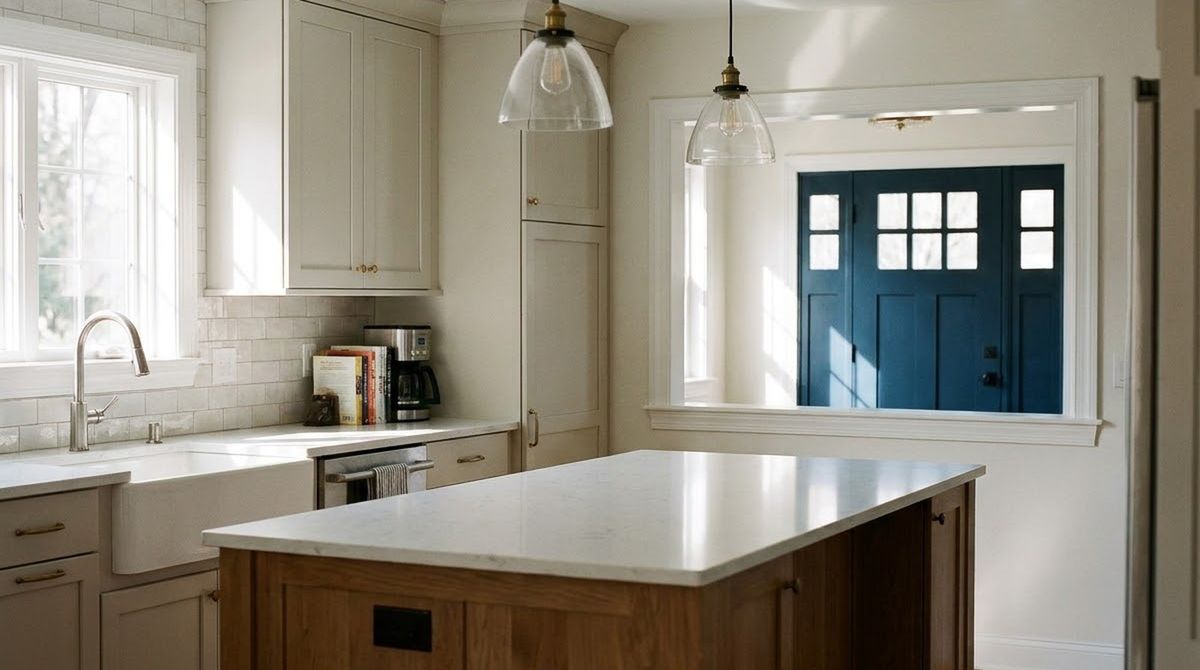
Home investments that add value almost always share two traits: they improve first impressions and they avoid over-customizing the floor plan. When homeowners spend too much on luxury finishes or structural additions, resale appraisals rarely keep pace with contractor bills. Knowing where to spend and where to hold back protects your equity whether you plan to list next spring or stay for another decade—and this guide breaks down the exact remodel math.
How Home Renovation ROI Works
Return on investment (ROI) in remodeling is the percentage of a project’s average job cost that is recovered in a home’s sale price. Zonda’s 2025 Cost vs. Value Report tracks 28 specific remodeling projects across 119 U.S. markets to measure that ratio.
Two patterns show up in the 2025 data:
- Exterior replacements beat interior gut jobs. Buyers judge condition from the curb first, and the 2025 analysis notes that the homes still selling tend to have attractive exteriors and sell at high prices.
- Complexity lowers percentage payback. Zonda’s 2025 key trends analysis describes a more discriminating buyer pool, with exterior upgrades such as a new garage door helping a home appeal to buyers who can pay top dollar. Buyers also tend to discount bespoke layouts and expensive finishes chosen by someone else, which is why the costliest projects below recoup the least.
At the same time, resale ROI is not the only yardstick. The 2025 Remodeling Impact Report from the National Association of REALTORS® (NAR) and the National Association of the Remodeling Industry (NARI) pairs estimated cost recovery with a homeowner “Joy Score” whose top score is 10. High-cost projects that earn low resale percentages can still make sense if you plan to live in the house for five to ten years. Meanwhile, Harvard’s Joint Center for Housing Studies (JCHS) projects national home improvement and repair spending will hover around $525 billion annually through late 2027, a flat outlook that makes it sensible to budget carefully rather than assume costs will fall.
5 Splurge-Worthy Home Investments That Actually Add Value
All five top-performing investments in the 2025 Cost vs. Value Report recoup more than 100% of their average project cost at resale. Four are exterior upgrades, and one is a disciplined interior refresh.
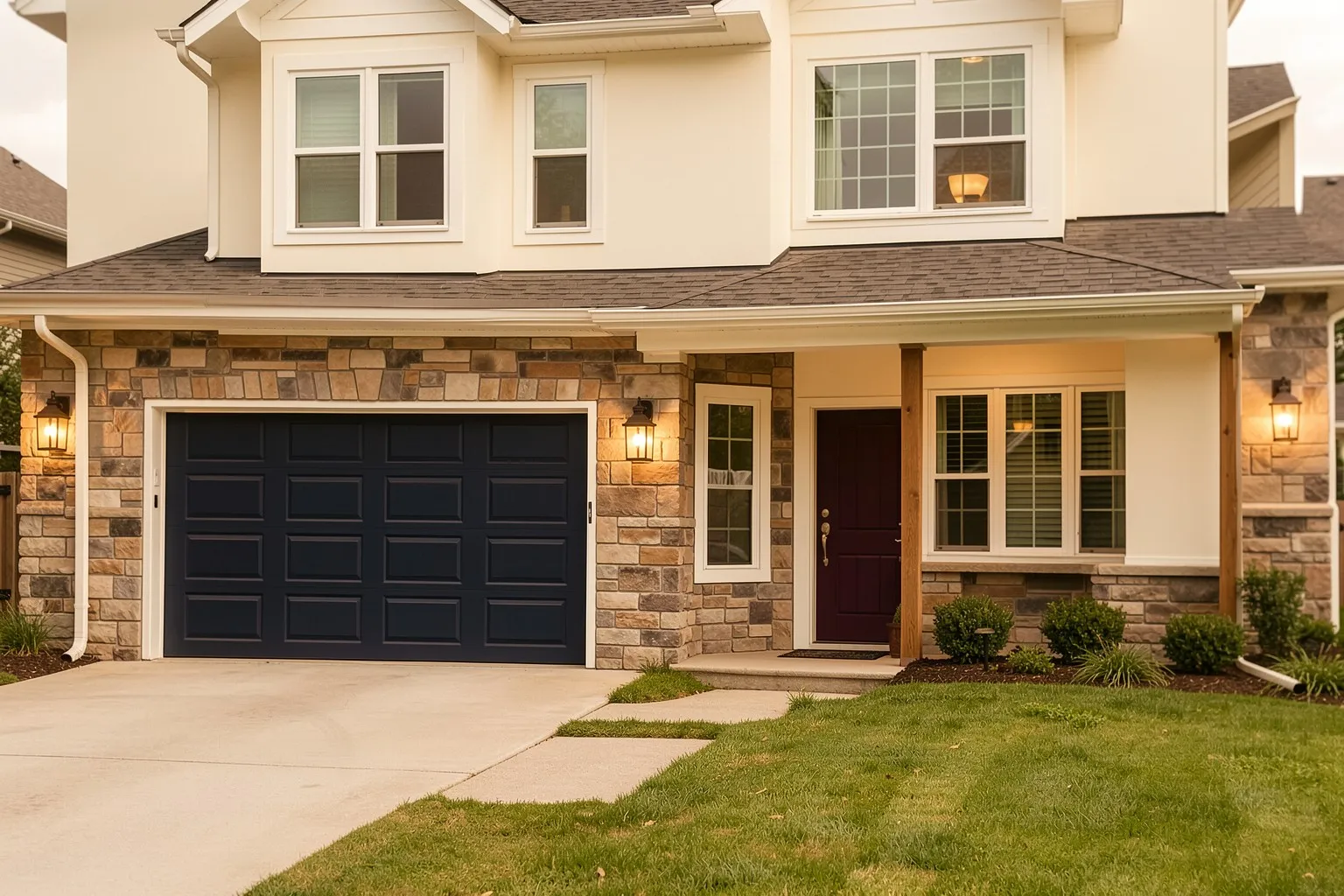
1. Garage Door Replacement (268% Cost Recouped)
Replacing an aging garage door is the single highest-ROI home improvement in the country, recouping 268% of its cost on average. A standard upscale garage door replacement averages $4,672 in job cost and adds $12,507 in resale value, according to Zonda’s 2025 national averages.
Because a garage door occupies a large share of the front elevation on most suburban homes, a dented, faded, or builder-grade door drags down perceived maintenance across the entire property. Upgrading to an insulated steel or carriage-style door with clean hardware instantly modernizes the facade for less than $5,000. Focus on a color and window pattern that matches your trim and front entry rather than ornate custom wood that drives up maintenance.
2. Steel Entry Door Replacement (216% Cost Recouped)
Swapping a worn front door for an insulated steel entry unit delivers a 216% return in the 2025 Cost vs. Value Report and a 100% estimated recovery in NAR’s 2025 Remodeling Impact Report. At an average job cost of $2,435, a new steel entry door adds $5,270 in resale value.
Every visitor passes through the front door, so it is one of the most closely inspected surfaces on the exterior. A tight weather seal, solid latch, and crisp factory finish signal that the home is secure and well maintained. By contrast, a “grand entrance” fiberglass door conversion with sidelights averages $11,754 and recoups 85% ($9,959)—still respectable, but far less efficient per dollar spent than a straightforward single-door swap.
3. Manufactured Stone Veneer (208% Cost Recouped)
Adding a manufactured stone veneer accent across the lower third of a home’s front facade recoups 208% of its cost. The 2025 Cost vs. Value Report places the average job cost at $11,702 and the resale value added at $24,328.
Stone veneer works because it adds architectural texture and contrast to plain vinyl or fiber-cement facades without altering the structure of the house. To keep the upgrade looking tailored rather than pasted on, run the stone up to a natural horizontal break—such as a porch column base or window sill line—and cap it with a proper stone sill. Avoid wrapping only one isolated wall if the sides are visible from the street; terminate the stone at an inside corner so the transition looks intentional.
4. Fiber-Cement Siding Replacement (114% Cost Recouped)
Replacing worn exterior cladding with fiber-cement siding averages $21,485 and adds $24,420 at resale, yielding a 114% return. Standard vinyl siding replacement also performs strongly at 97% cost recouped ($17,313 resale value on a $17,950 job cost).
New siding solves two buyer objections at once: visual aging and future maintenance anxiety. When buyers see chalking, warped panels, or peeling wood trim, they mentally subtract tens of thousands of dollars from their offer. Fresh fiber-cement siding eliminates rot and pest concerns while giving the exterior a crisp, freshly painted look. If you are planning a broader exterior refresh, pair new siding with updated house numbers and exterior sconces—two small details highlighted in our guide to budget-friendly upgrade ideas.
5. Minor Midrange Kitchen Remodel (113% Cost Recouped)
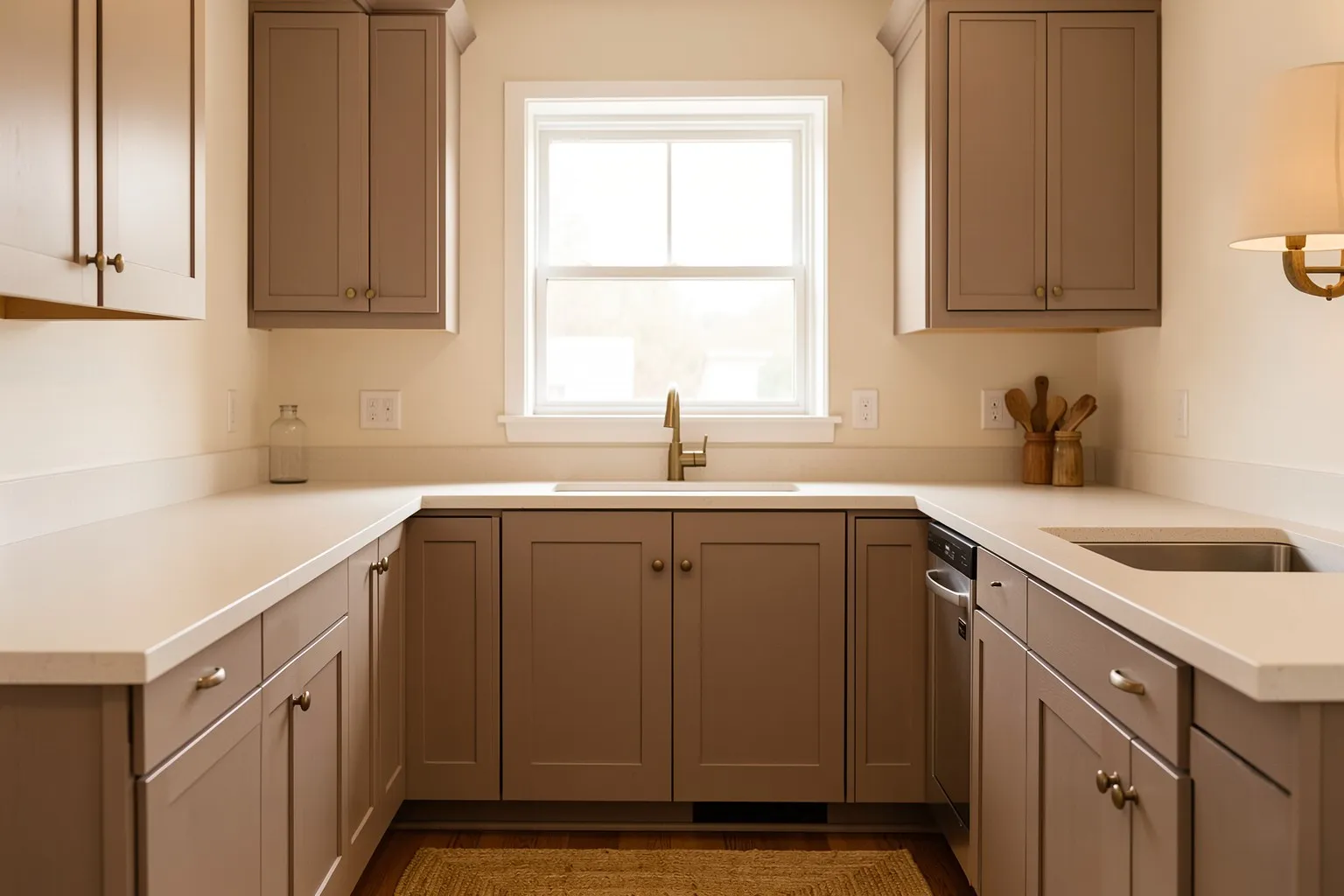
A minor midrange kitchen remodel is the only interior project in the top five of the 2025 Cost vs. Value Report, recouping 113% ($32,141 resale value on a $28,458 job cost). That makes it nearly three times more efficient at recovering money than an upscale major kitchen overhaul.
A minor kitchen remodel generally keeps the existing layout and updates what buyers touch and see, for example:
- Refacing or painting sound cabinet boxes with new doors and drawer fronts
- Installing durable midrange countertops (such as quartz or laminate depending on neighborhood tier)
- Replacing a dated sink, faucet, and cabinet pulls
- Upgrading to energy-efficient midrange appliances
- Refreshing flooring and wall paint
Keeping plumbing, gas, and electrical lines where they are generally keeps the job simpler than moving them. If you want to stretch a kitchen budget even further without full refacing, see our breakdowns of affordable kitchen upgrades that look expensive and high-end kitchen finishes that won’t break the bank.
Other Solid Mid-Tier Upgrades Worth Considering
Several functional projects fall just below the 100% mark in the 2025 Cost vs. Value Report and NAR’s 2025 study. These upgrades rarely generate a pure profit on paper, yet they remove deal-breakers during buyer inspections and improve daily comfort:
- Wood deck addition: $18,263 average cost, $17,323 resale value (95% recouped); composite deck addition runs $25,096 and recoups 89%.
- Midrange bathroom remodel: $26,138 average cost, $20,915 resale value (80% recouped). For lower-cost ways to elevate a bath, check our guide to opulent finishes for your guest bath.
- Vinyl window replacement: $22,073 average cost, $16,657 resale value (76% recouped; NAR estimates 74% cost recovery).
- Basement remodel: $52,012 average cost, $36,905 resale value (71% recouped, matching NAR’s 71% estimate for converting a basement to living space).
- Closet renovation: NAR’s 2025 Remodeling Impact Report estimates 83% cost recovery for organized closet systems, making storage upgrades a sleeper hit for modest budgets.
5 Expensive Home Renovations to Skip (If You Want ROI)
The lowest-performing projects in Zonda’s 2025 Cost vs. Value Report share a common flaw: high structural, mechanical, or luxury-material costs that local comps cannot support. Build these only for your own long-term lifestyle, never with the expectation that a buyer will reimburse you.
1. Upscale Primary Suite Addition (18% Cost Recouped)
Adding a luxury primary bedroom and en-suite bath is the single worst financial performer in the 2025 Cost vs. Value Report. At an average cost of $351,613, the addition adds just $63,136 in resale value—an 18% return, leaving an average gap of more than $288,000.
Even a midrange primary suite addition ($170,517 cost) recoups only 32% ($55,097). Foundation work, roofing tie-ins, framing, HVAC extensions, and new plumbing stack up fast, yet appraisers value added square footage based on neighborhood price-per-square-foot ceilings. If you need better bedroom comfort, reworking an existing room’s layout and lighting—like the strategies in our budget-friendly room makeover guide—delivers far more impact per dollar.
2. Solar Power Installation (30% Resale Cost Recouped)
Installing a residential solar array averages $55,937 in Cost vs. Value tracking while adding $16,625 in immediate resale value, or 30% cost recouped. That does not mean solar is a bad long-term purchase—it means solar is an energy investment, not a short-term flip strategy.
The 30% figure is a national average, and how buyers value an owned solar system can vary by market. If you plan to stay in the house long enough to capture years of lower electricity bills and applicable incentives, the utility math may work in your favor. If you are selling within two to three years, skip it.
3. Upscale Major Kitchen Remodel (36% Cost Recouped)
A full luxury kitchen gut job—moving walls, installing custom inset cabinetry, commercial-grade ranges, and natural stone slabs—averages $164,104 in the 2025 Cost vs. Value Report and recoups only 36% ($58,561). Even a midrange major kitchen remodel ($82,793) recoups just 51% ($42,130).
Buyers appreciate a clean, modern kitchen, but they rarely pay extra for ultra-specific luxury choices. Worse, over-improving a kitchen past the price tier of surrounding homes on your street creates a ceiling where nearby comparable sales hold down your appraisal. Stick to the midrange minor kitchen refresh whenever the existing layout works.
4. Upscale Bathroom Remodel and Luxury Bath Addition (36%–42% Cost Recouped)
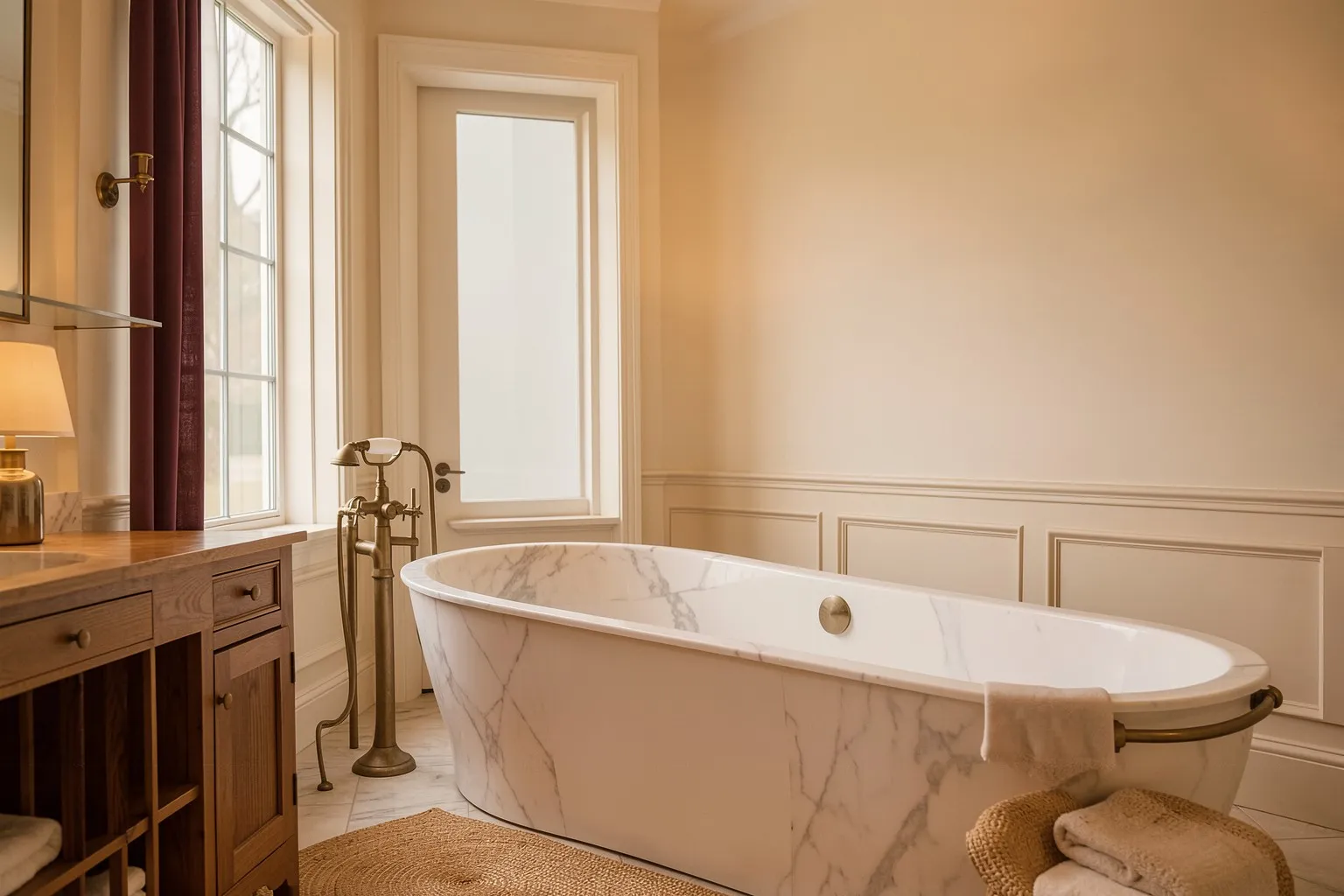
Expanding or gutting a bathroom with custom tilework, steam showers, freestanding soaking tubs, and relocated plumbing delivers poor resale returns. An upscale bath remodel averages $81,612 and recoups 42% ($34,000), while an upscale bathroom addition averages $111,255 and recoups 36% ($40,526).
Plumbing relocations and custom waterproofing drive labor costs up sharply without increasing a home’s bedroom or living-area count. Keep fixtures in their existing wet-wall locations, choose classic porcelain tile over high-maintenance natural marble, and upgrade visual anchors like mirrors, faucets, and statement lighting instead.
5. High-End Backyard Patio (46% Cost Recouped)
An elaborate hardscape backyard patio—complete with custom pavers, built-in seating walls, outdoor kitchen elements, or pergolas—averages $51,454 and recoups 46% ($23,672) in the 2025 Cost vs. Value Report.
Buyers love usable outdoor space, which is why a simpler wood deck recoups 95% at roughly a third of the price. Once outdoor projects cross into five-figure masonry, outdoor kitchens, or custom pools, maintenance concerns and buyer preferences vary too widely to return what you spent. Keep outdoor upgrades clean, low-maintenance, and scaled to the yard.
How Regional Markets and Climate Change Renovation ROI
National averages give you a reliable baseline, but local climate, housing stock, and neighborhood price ceilings determine your actual payback. Zonda’s 2025 Cost vs. Value Report compares 119 U.S. markets, and its results are broken out across nine regions because buyer priorities differ by region.
A backup power generator is the clearest example in the 2025 data. Nationally, a generator installation averages $13,534 and recoups 95% ($12,902), placing seventh overall. Yet in hurricane-prone Gulf states and New England, where grid outages are a top buyer concern, generator ROI climbs above 100% and reaches 139% in the East South Central region. In the West North Central region, that same project drops to 69% cost recouped.
The same regional logic applies to HVAC electrification, outdoor living, and structural additions:
- Climate-driven systems: HVAC electrification conversions (72% national ROI) and vinyl window replacements (76% national ROI) are the kinds of upgrades whose payback depends on local heating and cooling costs, so check local comparable sales before assuming the national figure applies.
- Lot and neighborhood norms: Adding a deck (95% ROI for wood) or converting a basement (71% ROI) performs best in neighborhoods where comparable homes already feature finished basements or usable outdoor decks.
- Age of local housing stock: According to NAR’s 2025 Remodeling Impact Report, the average U.S. home is now more than 40 years old, which increases buyer scrutiny on roofs, siding, windows, and mechanical systems in older suburbs.
Why Homeowners Remodel: Motivations and Smart Alternatives
Not every renovation is driven by an upcoming listing, and understanding your primary goal keeps you from over-spending. In NAR’s 2025 Remodeling Impact Report, homeowners cited four main reasons for taking on a project:
- Upgrading worn-out surface finishes and materials: 27%
- Improving energy efficiency: 19%
- A desire for a change: 18%
- Planning to sell within two years: 18%
If your motivation is selling soon—or refreshing an aging house on a realistic budget—you can capture most of the visual and functional payoff of a luxury remodel without absorbing a 58% to 82% resale loss. Compare the low-ROI splurge against its high-value alternative:
| Low-ROI Splurge | 2025 Cost Recouped | Smart Budget Alternative | Why It Works |
|---|---|---|---|
| Major Kitchen Remodel (Upscale) | 36% ($164,104 cost) | Minor Kitchen Remodel (Midrange) | Keeps existing layout and boxes while updating fronts, counters, and appliances for 113% ROI |
| Bath Remodel (Upscale) | 42% ($81,612 cost) | Midrange Bath Refresh | Leaves plumbing in place and upgrades vanity, tile, and fixtures for 80% ROI |
| Primary Suite Addition (Upscale) | 18% ($351,613 cost) | Closet Renovation + Interior Refresh | NAR estimates 83% cost recovery for organized closets without new foundation or roof tie-ins |
| High-End Backyard Patio | 46% ($51,454 cost) | Wood Deck Addition | Delivers usable outdoor living space at 95% ROI for roughly one-third of the cost |
| Grand Entrance Fiberglass Door | 85% ($11,754 cost) | Steel Entry Door Replacement | Achieves stronger curb appeal and 216% ROI at roughly one-fifth the upfront spend |
Plan Your Own Splurge and Save Split
The Cost vs. Value shares above are national averages for whole projects, so the quickest way to use them is to put your own budget against them. The splurge vs save planner does that for the kitchen, bathroom, entry and garage, and exterior projects: it multiplies your budget by each project’s recouped share and lists the advice we can source for that room. For example, $10,000 spent like a midrange minor kitchen remodel (about 113% recouped) comes back as about $11,300 at national averages, against about $5,100 for a midrange major remodel (about 51%) and about $3,600 for an upscale one (about 36%).
Inside a project, the National Kitchen & Bath Association (NKBA) gives a few rules that hold regardless of the total. Spend on the parts nobody sees but everybody uses: NKBA says the best hinges keep doors aligned and adjust in every direction, and that homeowners are tempted to scrimp on them. Save on the parts that only change the look: NKBA says the finish and detailing on the front can determine as much as three-quarters of a cabinet’s cost, and that custom cabinetry can consume 50 to 60 percent of a kitchen budget, so mostly stock cabinets with a few custom pieces is a cheaper path. If the boxes are sound and the layout works, NKBA says refacing costs about half of comparable new cabinets (a 2012 statement). Our guide to what refacing, painting and replacing cost and the cabinet refacing cost estimator put current ranges on that choice.
Common mistakes: treating the national share as a promise for your neighborhood, paying for an upscale tier whose recoup share is lower than the midrange one, and counting resale value when you plan to stay for years and would prefer the finish you love. Ask a local agent what buyers near you value before a five-figure project.
How to Decide Between Resale ROI and Personal Enjoyment
Use your timeline in the home to decide which metric matters more: Cost vs. Value ROI or NAR’s Joy Score. A simple three-step filter prevents expensive mistakes:
- Selling within 2 years: Fund only essential repairs (roof leaks, HVAC failures, electrical hazards) plus top-tier curb-appeal and cosmetic refreshes—steel entry door, garage door, fresh neutral paint, and minor kitchen or bath updates.
- Staying 3 to 7 years: Target 70%+ ROI projects that also improve daily life, such as a midrange bath remodel, vinyl windows for lower energy bills, a wood deck, or organized closets.
- Staying 8+ years: Prioritize layout and comfort projects with high NAR Joy Scores, such as a primary suite or full kitchen reconfiguration, accepting that the financial return is your daily quality of life rather than a resale windfall.
Before committing to any five-figure project, ask a local real estate agent to pull comparable sales in your immediate neighborhood. NAR’s 2025 report quotes Angi co-founder Angie Hicks saying, “A real estate professional absolutely can help clients with remodeling.” Matching your renovation tier to your neighborhood’s price ceiling ensures every dollar you invest protects your home’s long-term value.
| Project | Average Job Cost | Resale Value Added | Cost Recouped | Verdict |
|---|---|---|---|---|
| Garage Door Replacement | $4,672 | $12,507 | 268% | Splurge (Best ROI) |
| Entry Door Replacement (Steel) | $2,435 | $5,270 | 216% | Splurge |
| Manufactured Stone Veneer | $11,702 | $24,328 | 208% | Splurge |
| Siding Replacement (Fiber-Cement) | $21,485 | $24,420 | 114% | Splurge |
| Minor Kitchen Remodel (Midrange) | $28,458 | $32,141 | 113% | Splurge (Best Interior) |
| Backyard Patio | $51,454 | $23,672 | 46% | Skip for Resale |
| Bath Remodel (Upscale) | $81,612 | $34,000 | 42% | Skip for Resale |
| Major Kitchen Remodel (Upscale) | $164,104 | $58,561 | 36% | Skip for Resale |
| Solar Power Installation | $55,937 | $16,625 | 30% | Skip for Resale Only |
| Primary Suite Addition (Upscale) | $351,613 | $63,136 | 18% | Skip for Resale |
If your goal is resale value, prioritize curb-appeal replacements and midrange refreshes over structural additions or luxury gut jobs. Reserve low-ROI projects only for homes you plan to live in for many years.
Frequently asked questions
Which home renovations add the most value before selling?
Exterior replacement projects add the highest percentage of resale value relative to their cost. In Zonda's 2025 Cost vs. Value Report, garage door replacement recoups 268%, a steel entry door recoups 216%, and manufactured stone veneer recoups 208%. Among interior projects, a midrange minor kitchen remodel leads at 113%.
Why do minor kitchen remodels beat major upscale kitchen remodels in ROI?
A minor midrange kitchen remodel generally keeps the existing layout and updates visible surfaces, which helps keep costs around $28,458 and recoups 113% ($32,141). An upscale major kitchen remodel averages $164,104 because of custom cabinetry, layout changes, and high-end appliances, but recoups only 36% ($58,561) because buyers rarely pay dollar-for-dollar for another owner's custom tastes.
How does the NAR Joy Score differ from Cost vs. Value ROI?
Cost vs. Value measures the percentage of a project's cost recouped in a home's sale price, while the NAR/NARI Remodeling Impact Report measures homeowner happiness on a Joy Score with a top score of 10. Projects such as a primary bedroom suite addition, a kitchen upgrade, and new roofing have scored a 10 for daily satisfaction even though their resale cost recovery is much lower than a steel front door.
Are bathroom remodels worth it for resale value?
A midrange bathroom remodel is worthwhile if the room is dated, recouping 80% ($20,915 on a $26,138 project) in the 2025 Cost vs. Value Report. An upscale bathroom remodel costing $81,612 recoups only 42% ($34,000), and an upscale bathroom addition recoups 36%, making luxury bath overhauls poor short-term financial bets.
Should you replace windows or a roof before selling a house?
Replace a failing roof or broken windows to prevent buyer inspection credits, but do not expect a full financial profit from healthy replacements. Vinyl window replacement recoups 76% ($16,657 on $22,073) and asphalt shingle roof replacement recoups 68% ($21,501 on $31,871) in 2025 national averages.
Do solar panels increase home resale value enough to pay for themselves?
Solar panels do not pay for themselves through resale price alone. Zonda's 2025 Cost vs. Value Report tracks an average solar power installation cost of $55,937 with an added resale value of $16,625, or 30% cost recouped. Homeowners see the real return through monthly utility savings over years of ownership, not a quick sale.
Source notes
- 2025 Cost vs. Value Report: National Averages — Journal of Light Construction (Zonda) (jlconline.com)
- 2025 Cost vs. Value Report: Key Trends — Journal of Light Construction (jlconline.com)
- 12 Remodeling Projects That Offer the Best Value at Resale (2025 Remodeling Impact Report) — National Association of REALTORS® (nar.realtor)
- Remodeling Forecast to Remain 'Relatively Flat' in 2027 (JCHS LIRA) — Qualified Remodeler (qualifiedremodeler.com)
- Homeowners are remodeling for their own joy, not for resale value (NAR 2025 Remodeling Impact Report) — Boston Agent Magazine (bostonagentmagazine.com)
Related guides
- Budget-Friendly Room Makeover: A Step-by-Step Plan for High-End Style
A step-by-step budget room makeover plan covering budget splits, paint sheens, layered lighting, furniture scaling, and finishing touches.
- Cheap Ways to Upgrade Your Home: Single-Swap Luxury Looks on a Budget
High-impact, single-swap ways to upgrade your home on a small budget, from dimmers and hardware to fresh caulk, trim paint, and faucets.